
Last updated November 21, 2026
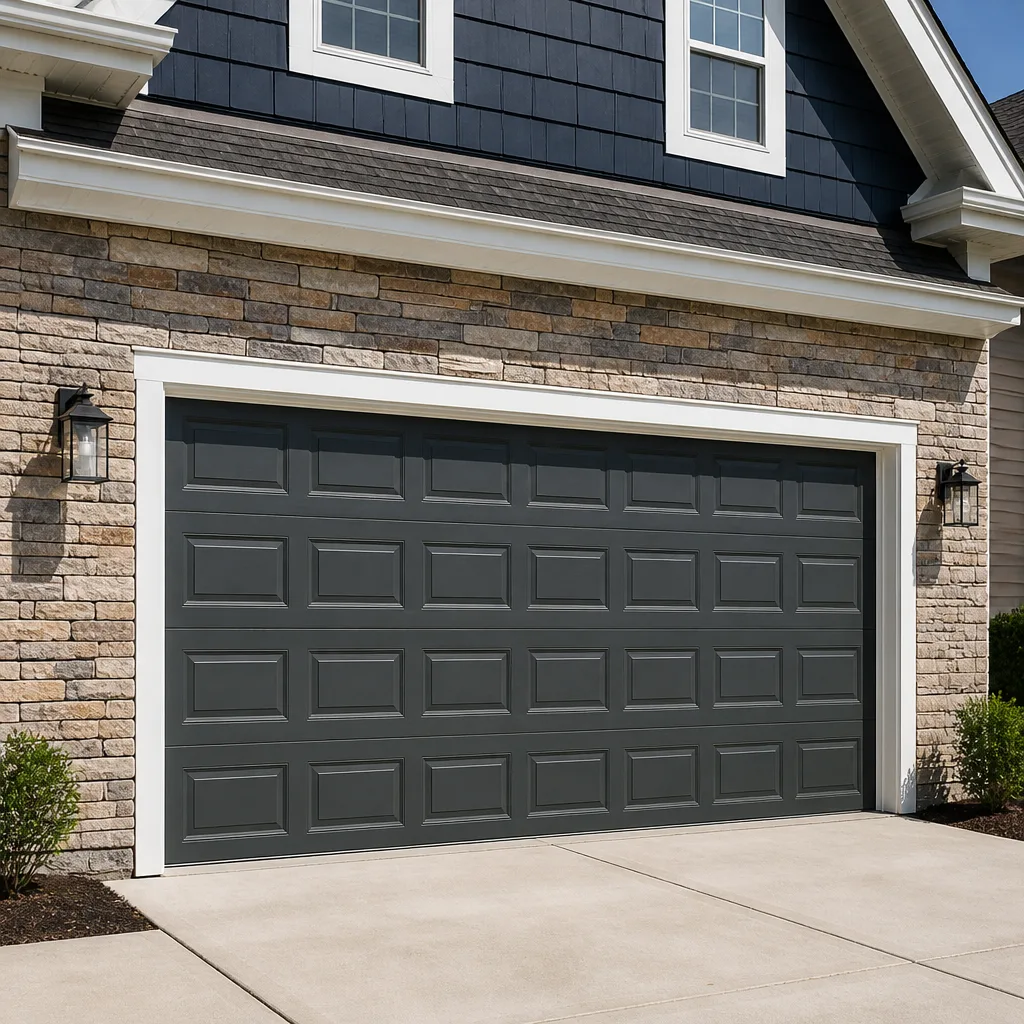 Raised-panel steel
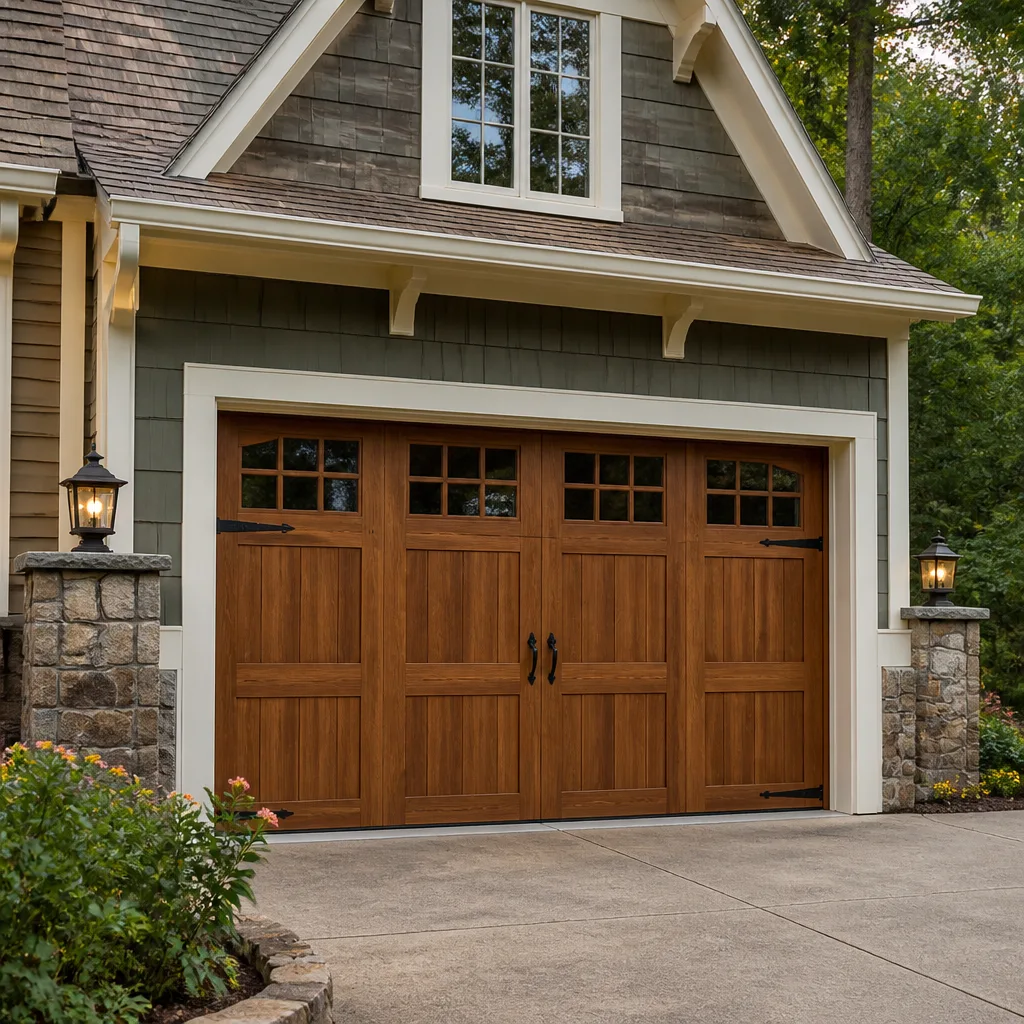 Carriage house
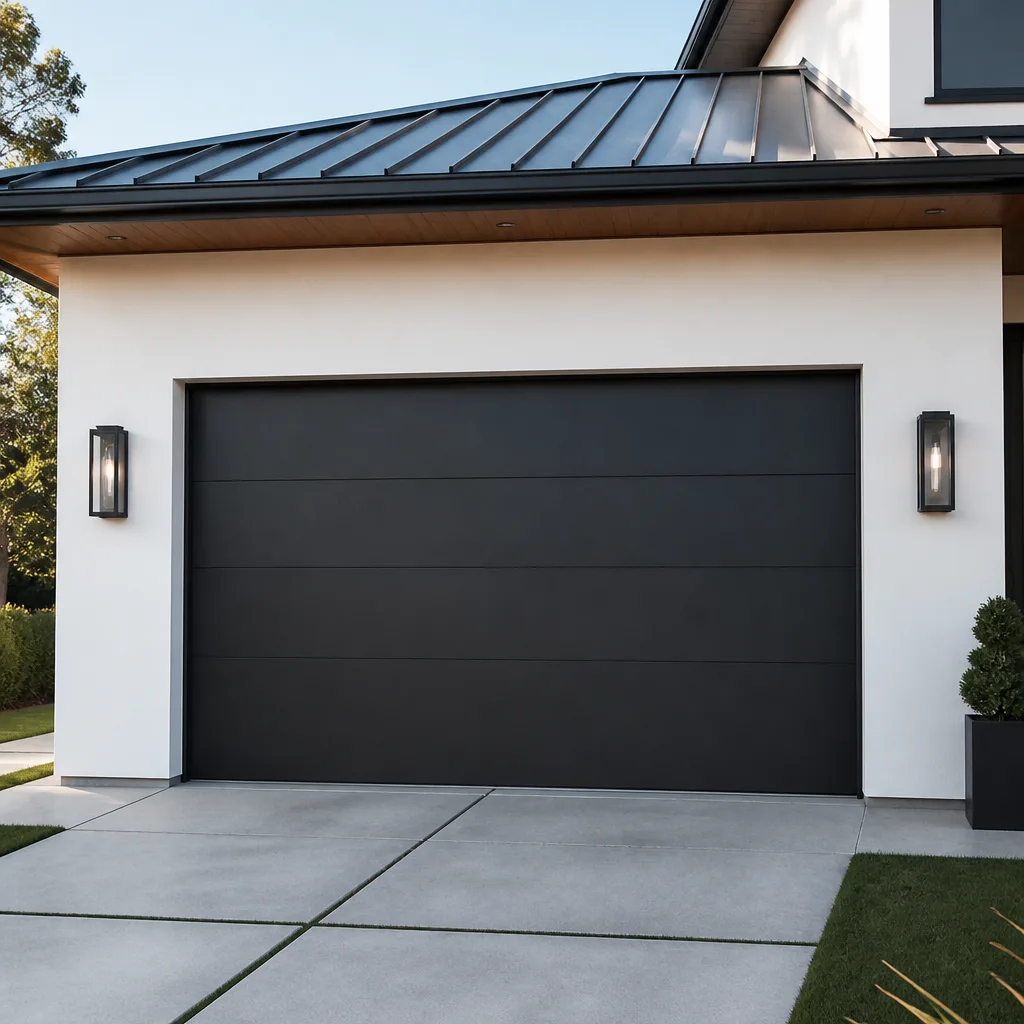 Modern flush
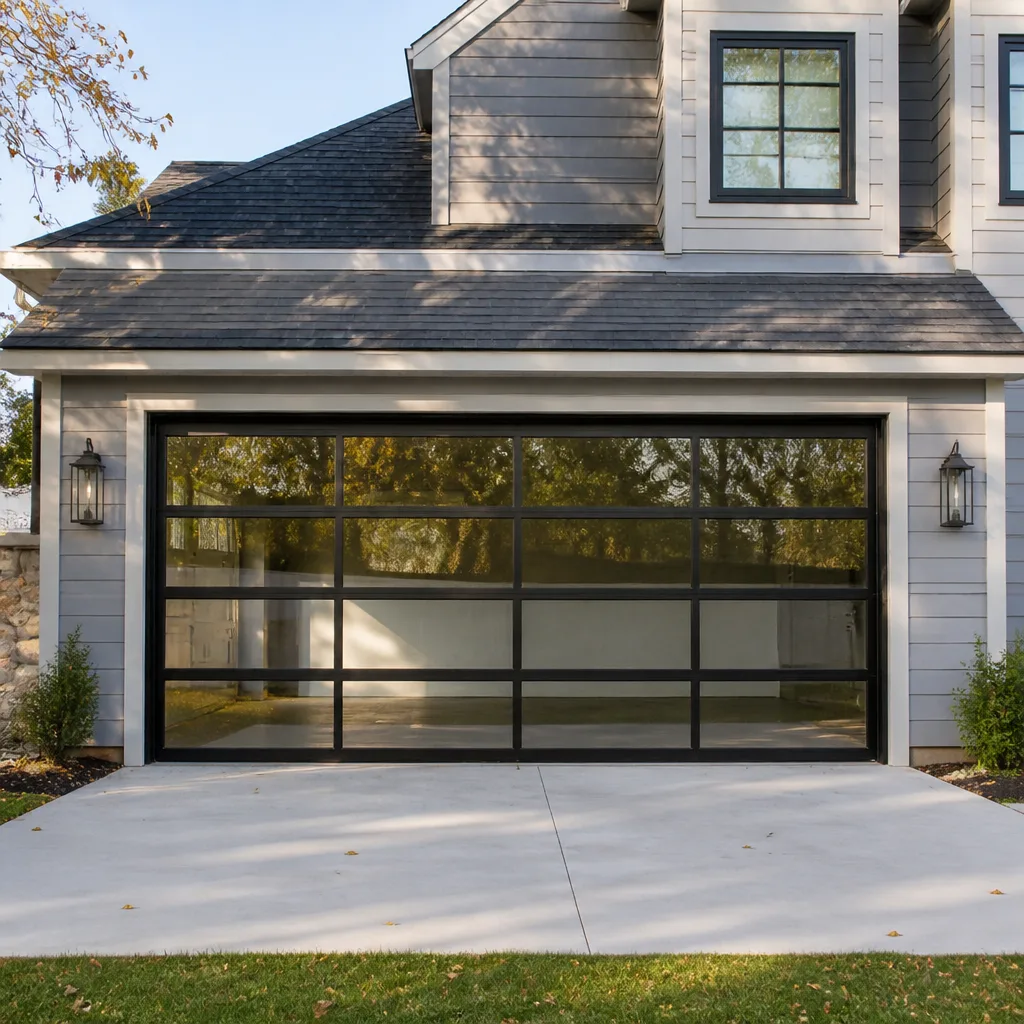 Full-view glass
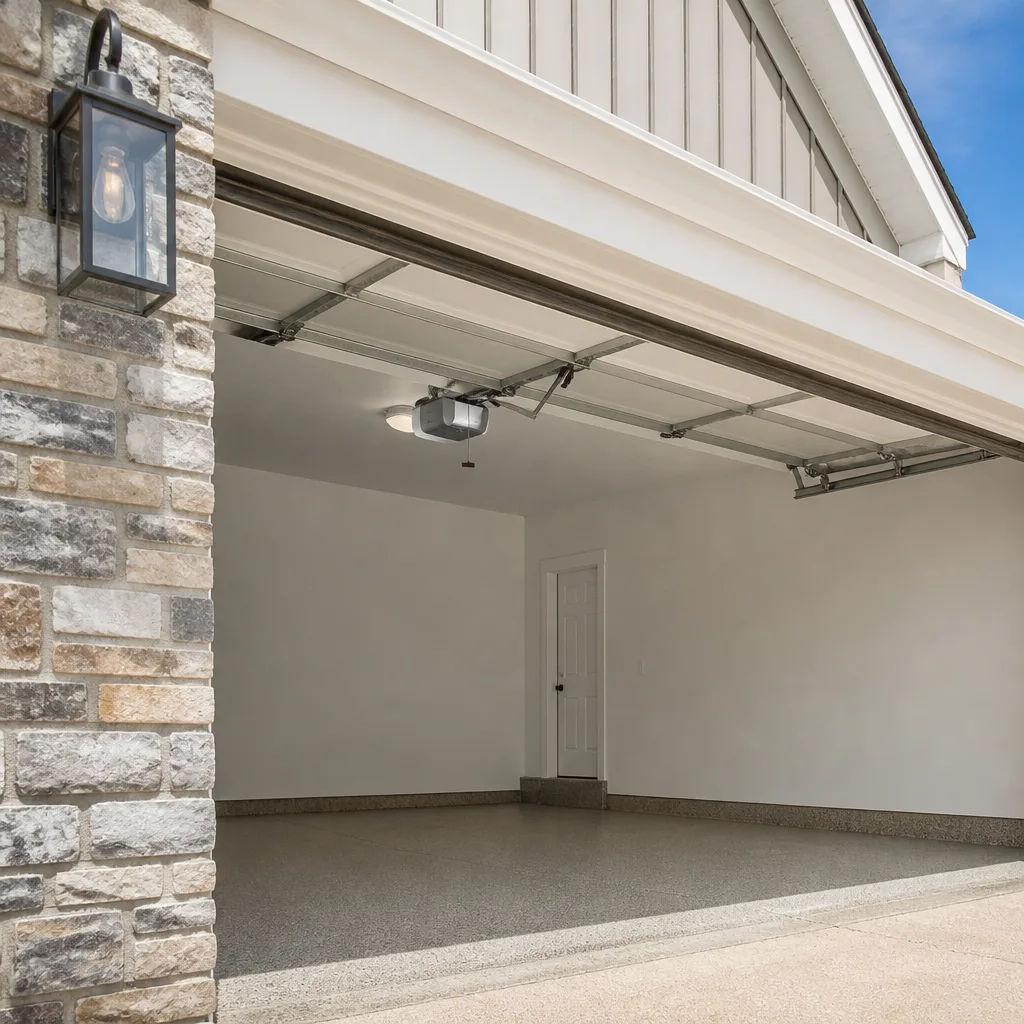 LiftMaster openers
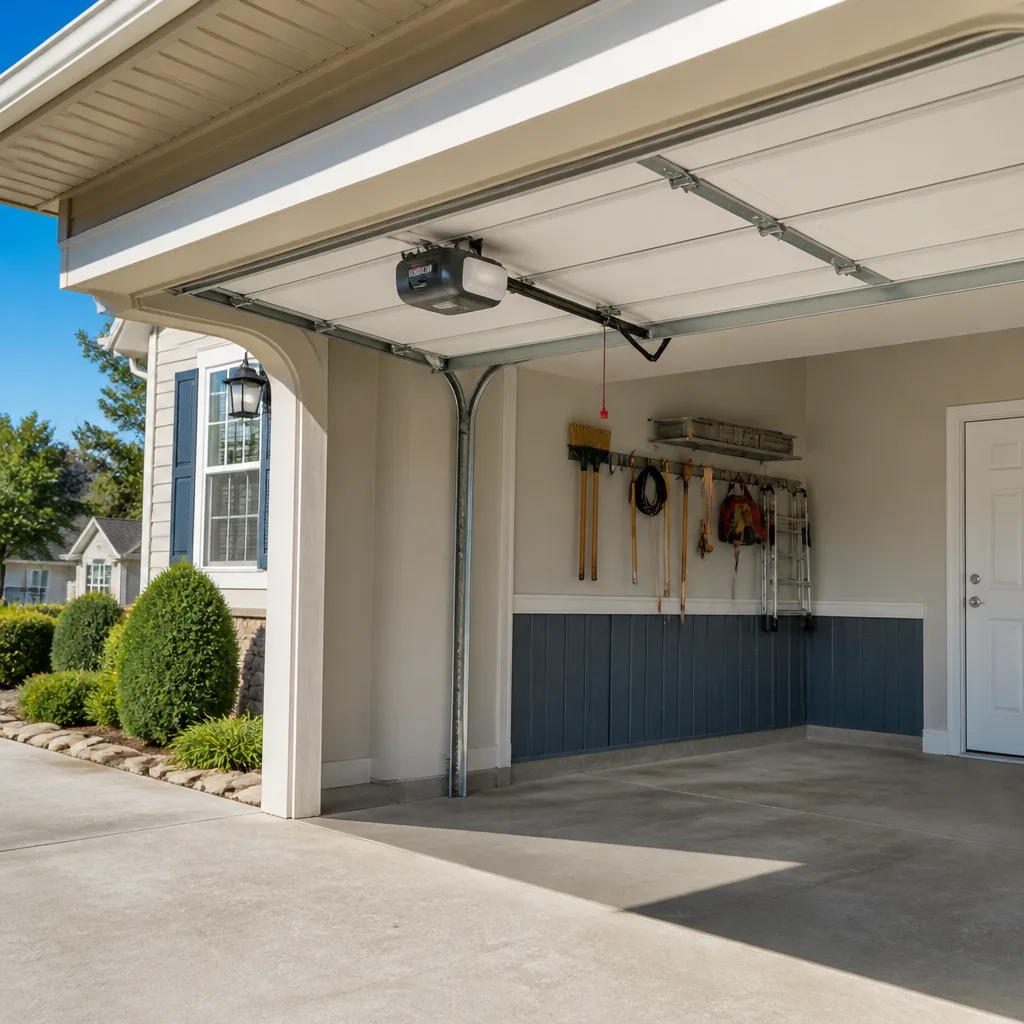 Chamberlain openers
Full 25-point door and opener safety check with every visit - springs, cables, rollers, tracks, and your LiftMaster or Chamberlain opener included
You get a price before we start. It does not change when the pro arrives.
Get your free estimateGarage Door Permits, Codes & Inspections in West Ridge, IL: What You Need to Know
Most homeowners assume swapping a garage door is like replacing a mailbox – pick a style, have it installed, move on. That assumption causes real trouble. In Chicago, a door replacement can be a permitted construction project, and the permit question depends on what’s actually changing behind the door. Skip it when the City of Chicago Department of Buildings required it, and you haven’t broken a law so much as created a gap: the work was never inspected, and an insurer reviewing a related claim has a legitimate reason to ask why. This guide explains when a West Ridge garage door project needs a permit, when it doesn’t, how the city’s process works for garage door work specifically, and what to do if a replacement has already been finished without one.
Quick Answer
A like-for-like garage door replacement in West Ridge – same size, same opening, same track and operator configuration – often falls outside permit requirements under the Chicago Building Code, but any change to the structure counts as a different project. Widening an opening, cutting a new opening, enclosing a carport, or altering the header or framing above the door requires a permit from the City of Chicago Department of Buildings. When in doubt, call the department’s permit desk and describe the scope in plain terms before work starts.
Styles & brands we work with
- Raised-panel steel
- Carriage house
- Modern flush
- Full-view glass
- LiftMaster openers
- Chamberlain openers
Table of Contents
- Why Garage Door Permits Matter More Than Most Homeowners Think
- When a Like-for-Like Door Swap Does and Doesn’t Need a Permit
- Structural Changes: Widening an Opening, Carports, and New Openings
- How the Chicago Department of Buildings Permit Process Works for Garage Doors
- What Cook County Inspectors Actually Look For
- Already Replaced It Without a Permit? Your Options
- West Ridge Context: Housing Stock, Climate, and What It Means for Your Door
- Common Mistakes to Avoid
Why Garage Door Permits Matter More Than Most Homeowners Think
The insurance angle is the one that surprises people. A homeowner’s policy doesn’t usually exclude unpermitted work by name. What it does is investigate claims, and when an adjuster asks for documentation on a garage door that was recently replaced and there’s no permit or inspection record, the claim review gets complicated. That’s not a scare tactic – it’s how claim documentation works across trades.
There’s a second angle: resale. Chicago’s real estate market runs on permit history. A buyer’s attorney pulls permit records on a property, and an unpermitted structural change shows up as an open question. A door replacement that never touched framing rarely surfaces. A widened opening with no permit does, and the seller usually ends up resolving it under time pressure, often at a worse price than doing it correctly the first time.
And then there’s the part that has nothing to do with paperwork. Garage doors are heavy, spring-loaded systems that move on controlled tension. A door installed on a modified opening without someone checking the header, the track anchoring and the balance is a door that can fail in a way nobody planned for. The inspection requirement exists partly because the work involves real loads and real risk.
We’ve watched West Ridge homeowners treat the permit question as an afterthought more times than we’d like. The honest answer is that most simple replacements don’t need one, and the ones that do are usually the projects where the permit would have caught something worth catching.
When a Like-for-Like Door Swap Does and Doesn’t Need a Permit
A like-for-like replacement means the new door matches the old one in width, height, track configuration and operator setup, and nothing about the opening changes. In practical terms, you’re removing one door from an existing opening and hanging another on the same hardware footprint. Many of these projects don’t trigger a permit under the Chicago Building Code, but the city evaluates this case by case, and “like-for-like” is narrower than most people assume.
Here’s how the distinction usually breaks down:
- Usually no permit: replacing a standard sectional door of identical dimensions in an existing opening, keeping the same track and the same opener type.
- Often needs a permit: changing from a sectional door to a roll-up, switching to a different ceiling-mounted or jackshaft operator that requires new electrical work, or replacing a door after structural repair to the opening.
- Definitely needs a permit: anything that changes the dimensions of the opening, the framing above it, or the number of doors on the structure.
The easiest way to think about it: if the question is “which door goes on this opening,” you’re probably fine. If the question is “does this opening still work for this door,” you’ve crossed into permitted territory. Brands like Amarr and Wayne Dalton publish detailed door specifications, which helps confirm whether a replacement is truly dimensional. A specialist who works in these systems daily can tell you in a few minutes whether a proposed swap is dimensional or structural, and that conversation is worth having before you order anything.
One more note specific to this part of Chicago: a lot of West Ridge garages sit on alleys and share wall lines with neighboring structures. When a door replacement stays within the existing opening, none of that matters. When it doesn’t, setback and separation questions can enter the review, and that’s a conversation for the Department of Buildings, not a guess.
Structural Changes: Widening an Opening, Carports, and New Openings
This is where the permit category changes entirely. Widening a garage door opening, cutting an opening into a previously solid wall, or converting an open carport into an enclosed garage are not door projects. They’re structural alterations, and the City of Chicago Department of Buildings reviews them as construction permits with drawings, not as simple replacements.
What that process involves, in general terms:
- Scope definition. The application describes the existing structure and the proposed change: how much wider, what happens to the header beam, how the new opening gets framed and anchored.
- Plan submission. Structural work generally requires drawings showing the framing and load path, prepared by someone qualified to do so. The department will tell you the level of detail it expects for your scope.
- Review. A plan examiner checks that the proposed framing carries the load above the opening and that the structure remains compliant with the code in force.
- Permit issuance and inspection. Work proceeds under the permit, and the city inspects at defined stages, including rough framing before the opening gets closed up and a final inspection at completion.
- Final sign-off. The permit closes with a record of the completed, inspected work – the document that matters at resale or during a claim review.
Carport conversions deserve their own mention. West Ridge has plenty of properties where a former open carport was enclosed at some point, sometimes decades ago, sometimes last summer. Enclosing one today means meeting current requirements for the structure, and often the door itself becomes part of that review because its opening, headroom and anchoring all depend on the new framing. If a carport was enclosed without a permit at any point, the question is whether the file was ever closed. The department can tell a property owner what’s on record.
None of this is a reason to avoid structural changes. A wider opening transforms how a garage actually gets used. It’s a reason to budget the permit and inspection into the project from the start, rather than discovering halfway through that the wrong category was filed.
How the Chicago Department of Buildings Permit Process Works for Garage Doors
Chicago runs its own permit system through the Department of Buildings, and garage door work gets processed within that system rather than a generic contractor’s online portal. The practical steps for a homeowner:
- Call the department’s permit information line before you buy anything. Describe your project in one clear sentence: “I’m replacing a garage door of the same size in the same opening,” or “I’m widening my garage opening by two feet.” The first answer decides whether you need an application at all.
- Check who can pull the permit. In Chicago, permits for construction work are typically pulled by the licensed contractor performing the work, and some scopes allow a homeowner to pull their own. The department will confirm which route applies to your project.
- Submit the application with the right scope description. A vague scope is the most common reason a garage door permit gets sent back for corrections. “Replace garage door” and “replace garage door and reframe opening” are different applications.
- Pay the permit fees and post the permit. Fees depend on the declared valuation of the work, so the department’s fee schedule is the source to check, not a guess from a contractor.
- Schedule inspections as the work progresses. Your permit will list which inspections the scope requires and when they happen. Final inspection closes the file.
For a West Ridge homeowner, the important shift is mental: the permit conversation belongs at the start of the project, not the end. When we install a door and the scope touches framing, we tell the homeowner which questions to put to the department before anything gets ordered. That’s part of how a professional garage door installation should begin – with a clear scope, not a sales order.
Keep the permit number and the final inspection record somewhere permanent, alongside your deed or property file. That single sheet of paper does more work at resale than any warranty document.
What Cook County Inspectors Actually Look For
Garage door inspections, whether they happen under a permit or as part of a broader property review, focus on safety systems and structural attachment. An inspector is not grading your door’s style. They’re checking whether the assembly will behave safely under load.
The core items usually include:
- Header and framing. Does the structure above the opening adequately carry the load, and is the door’s track anchored into solid framing rather than siding or trim?
- Spring and cable condition. Are the torsion or extension springs intact, correctly sized for the door’s weight, and is the safety cable present on extension springs? This is the part where an inspector’s eye matters most.
- Fasteners and anchoring. Are track brackets anchored with the correct fasteners into structural members, and are all brackets present and tight?
- Door balance and travel. Does the door open and close smoothly, and does the opener’s travel stop at the correct points?
- Safety features. Is the photo-eye system present and functional, and does the door reverse properly under the required test?
- Clearances. Does the door’s travel clear adjacent structures, and is the opening free of obstructions introduced after the original build?
Cook County’s garage inspections often come up outside the permit context too – during a sale, a refinance appraisal, or a post-storm property review. The list above is what tends to get flagged, and nearly all of it is safety hardware rather than cosmetics. A door that looks fine can fail on a single broken safety cable or a missing photo eye. If an inspector flags one of those items, address it before anything else on the list.
Springs and cables are genuinely dangerous to handle. We repair them as a dedicated service because the tension involved can injure someone badly without warning, and we tell homeowners to leave that component alone. A trained professional should always be the one working on spring hardware, whether that’s during a garage door repair or as part of a scheduled inspection follow-up.
Already Replaced It Without a Permit? Your Options
It happens often in West Ridge: a door gets replaced, the work looks fine, and the homeowner later realizes a permit may have been required. The situation is usually manageable. What it needs is a clear-eyed assessment of which category the project actually fell into.
Run through these questions in order:
- Did the project change the opening or framing? If not, and the door matched the original dimensions, there may be nothing to resolve. Confirm with the Department of Buildings that no permit was required for that scope, and keep the answer on file.
- Did the project change structure? If it did, the question becomes how to make the work legal after the fact. The department handles this through a retroactive permit process for completed work, which typically involves submitting for review, documenting the existing conditions, and scheduling an inspection of what’s already built.
- Is the existing work safe to inspect? Retroactive permits almost always require opening up concealed work so an inspector can see it. Sometimes the door has to come back off to expose the framing. Budget for that possibility.
- What does the risk look like if you leave it? A dimensional replacement with no structural change is a minor issue. An altered opening with no record stays a question at sale and after a claim, and buyers and adjusters both ask.
Our advice is consistent: if the scope touched framing, start the retroactive process. It costs less than the negotiation you’ll face at resale, and it converts a question mark into a record. None of this is a legal opinion – the department staff and, if needed, a permit expediter familiar with Chicago’s process are the right people to give you definitive guidance on your property.
West Ridge Context: Housing Stock, Climate, and What It Means for Your Door
West Ridge is one of Chicago’s most varied neighborhoods for housing, and the garage stock reflects it. Along Devon Avenue and throughout West Ridge, you’ll find a mix of detached single-family homes, two- and three-flats, and small multifamily buildings, many with garages that open onto alleyways rather than streets. That alley orientation matters for permit work: garage doors on alleys often sit under low ceilings, close to shared fences and adjacent structures, which limits how much overhead hardware you can use and means any change to the opening gets reviewed with the neighbors’ structures nearby. A contractor who works this neighborhood regularly can tell you which door and opener configurations actually fit the space above the door.
The climate does its own number on garage doors throughout West Ridge and the surrounding north side. Chicago winters swing between deep cold and freeze-thaw cycles, and that cycling works on spring steel, track anchors and hardware clearances. Doors that were fine in fall start binding in January. In summer, the same doors are back in balance and nothing seems wrong – which is exactly why a door with a worn torsion spring can behave differently in February than in July. Inspector attention lands on springs and track anchoring for the same reasons: that’s where the seasonal stress shows up.
One more local wrinkle: the West Ridge area’s older, larger garages sometimes use oversize doors that no longer match standard catalog sizes. If your garage doors fall into that category, brands like Raynor and Craftsman offer door models and opener systems that cover the range, and both are brand lines our technicians work on. The permit point here is that oversize doors usually require a slightly more careful scope description, and that description is exactly what the department needs on the application.
Some West Ridge properties sit within areas where home-based work, religious observance, and other day-to-day rhythms shape when service gets scheduled. We’re closed on Saturday and dispatch Sunday through Friday, 7am to 7pm. When a door fails on a Saturday, calling pushes you into the next opening the following day.
Common Mistakes to Avoid
- Assuming every door replacement needs a permit. Most dimensional swaps don’t require one under Chicago’s code. Getting a permit when you didn’t need one wastes weeks. Ask the Department of Buildings before your project falls into that trap.
- Assuming none ever do. The opposite mistake shows up in West Ridge more often: a widened opening or an enclosed carport completed without a permit and discovered at resale. Treat structure changes as a permit category, not a door category.
- Treating a carport enclosure like a door install. Enclosing a carport is a structural permit. A door specialist installs the door; the framing and structure get reviewed separately, and if the project skips that step the finished work never gets inspected.
- Not checking the permit history before a sale. Buyers’ attorneys pull permits. A homeowner who hasn’t checked their own record hands the buyer a question with no answer ready. Ask the Department of Buildings for your property’s permit history well in advance.
- Doing spring and cable work as a DIY project while the inspector waits. Spring hardware can hurt you badly. Whoever’s doing the inspection is going to ask about it, and the only good answer is that a trained professional handled it.
- Hanging a door on a modified opening without confirming the header. Framing requirements exist because the load has to go somewhere. A door that’s slightly off balance after a structural change is a warning sign, not a nuisance.
- Filing the wrong scope description. A garage door permit application that says “replace door” when the project also reframes the opening is a paperwork correction at best. Describe exactly what’s changing, and let the examiner tell you the right category.
See the difference
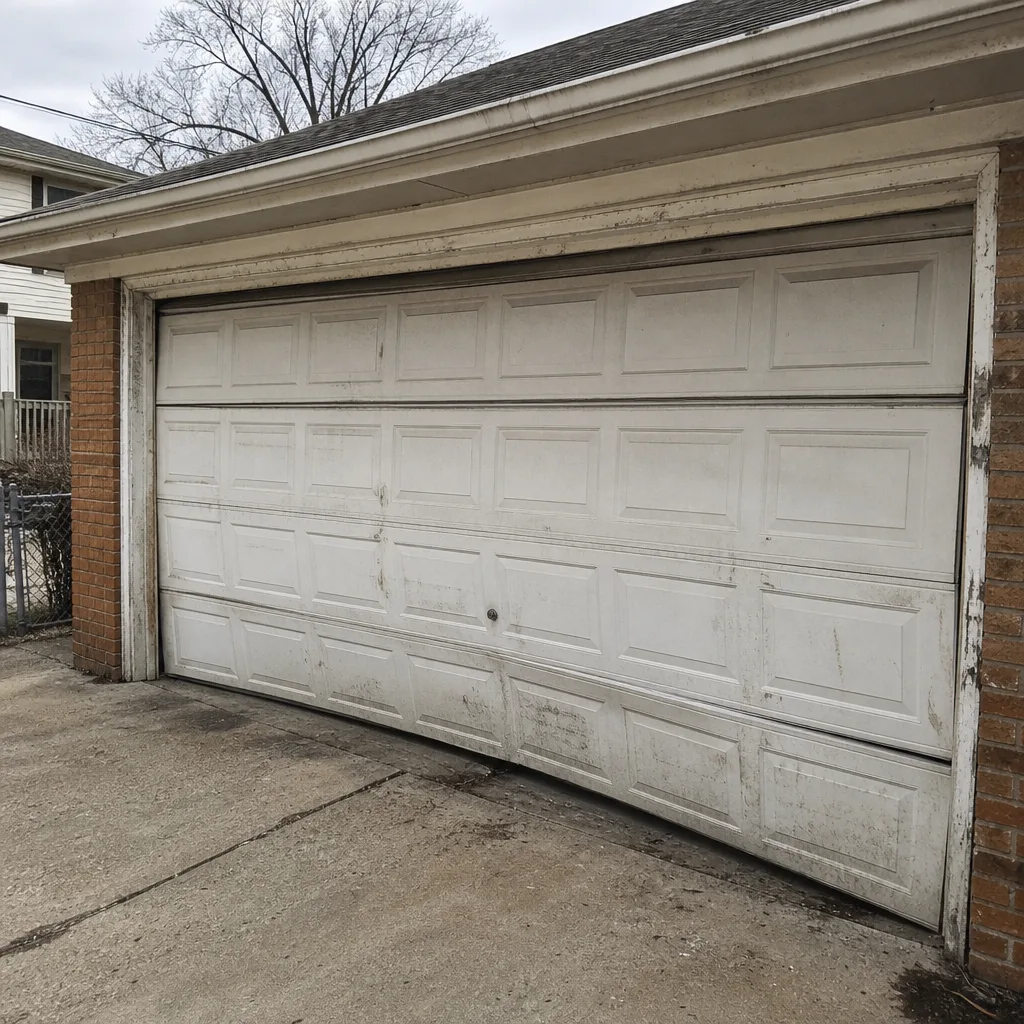 Before
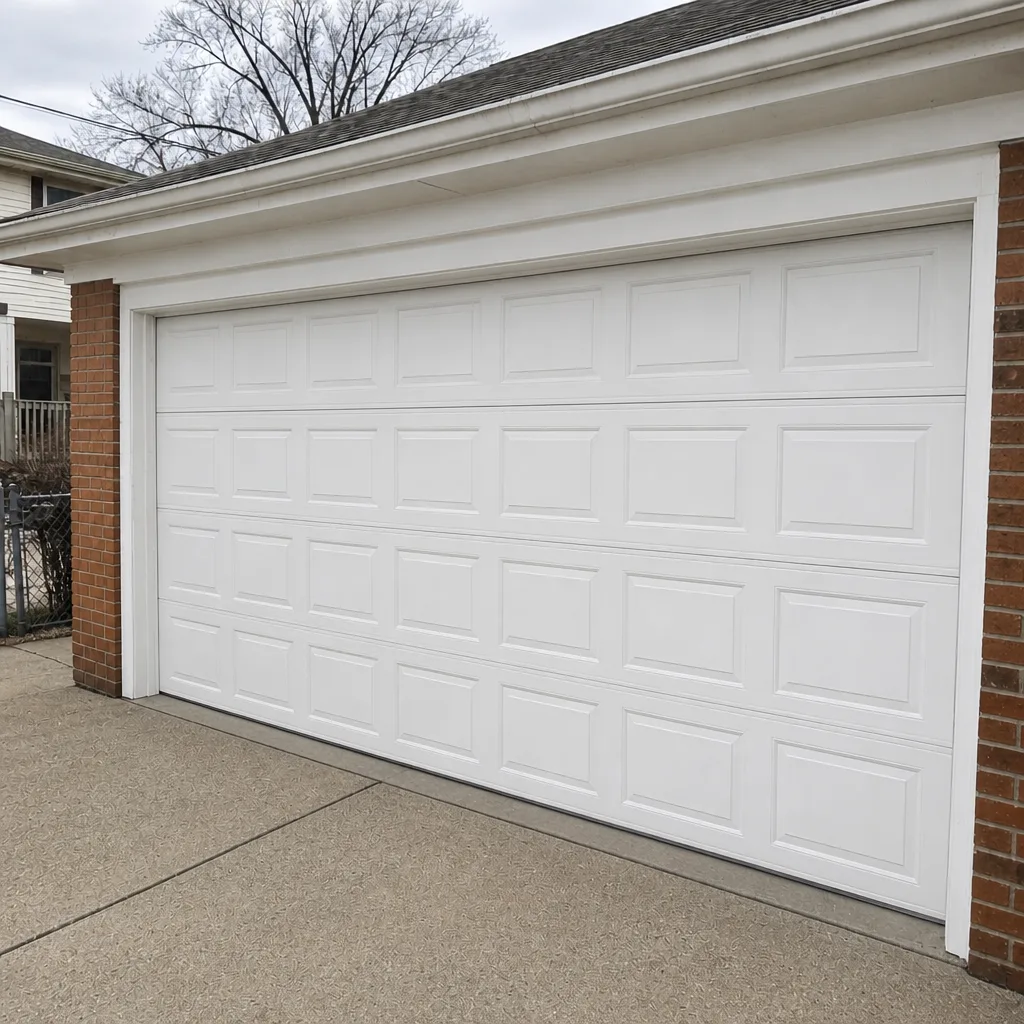 After
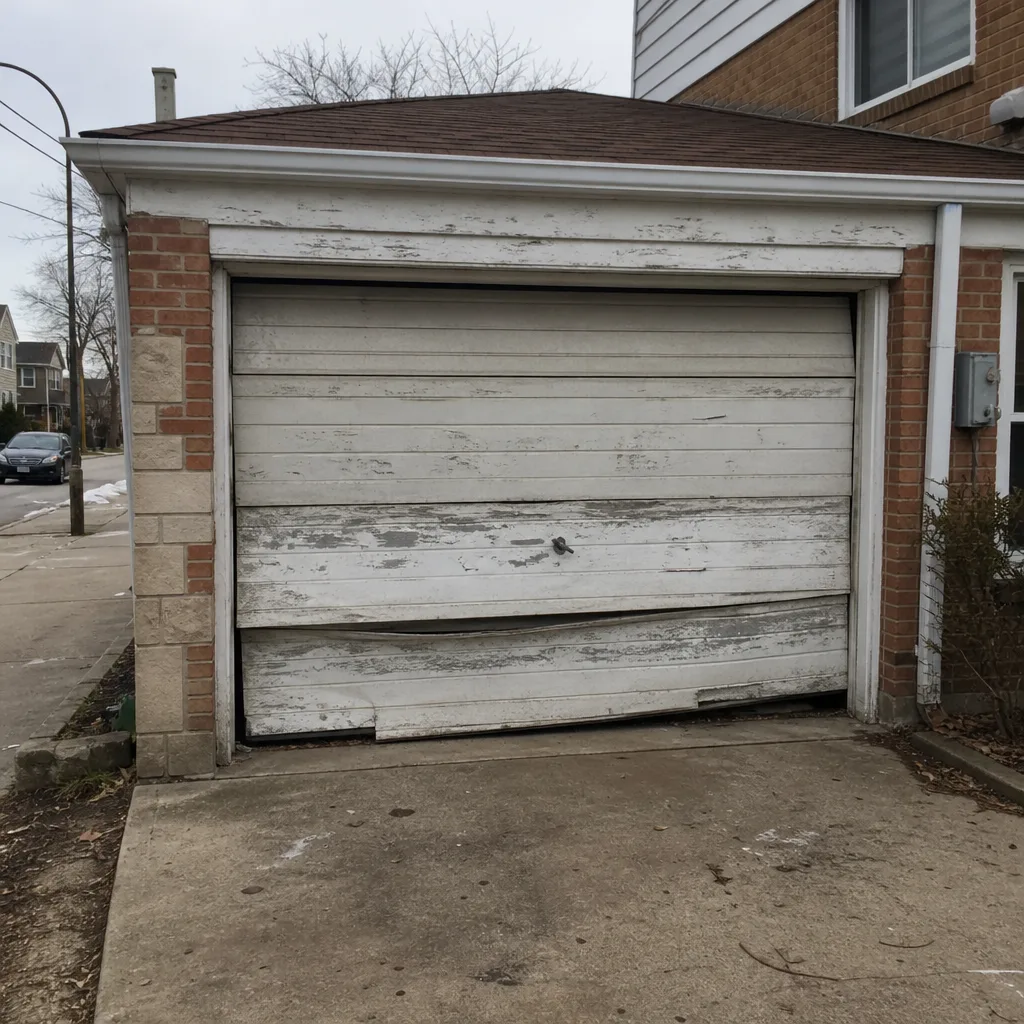 Before
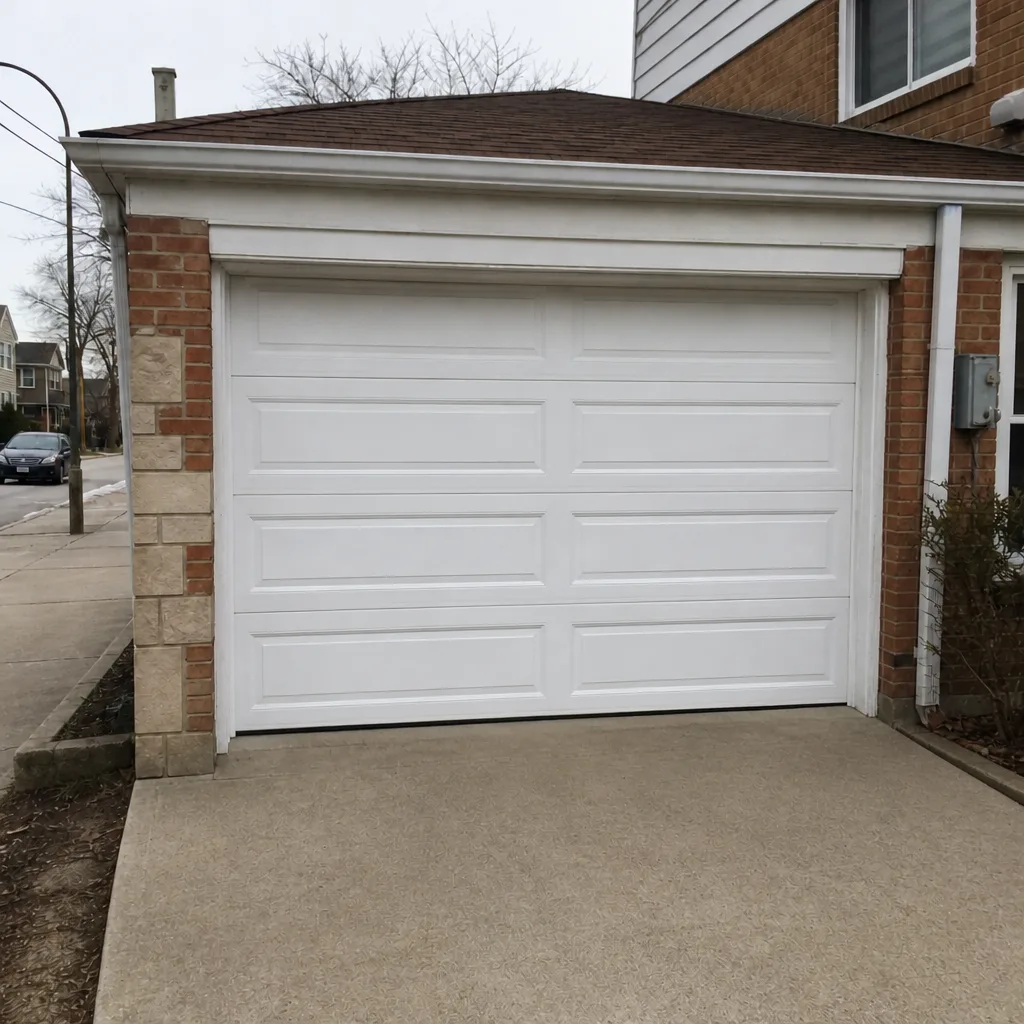 After
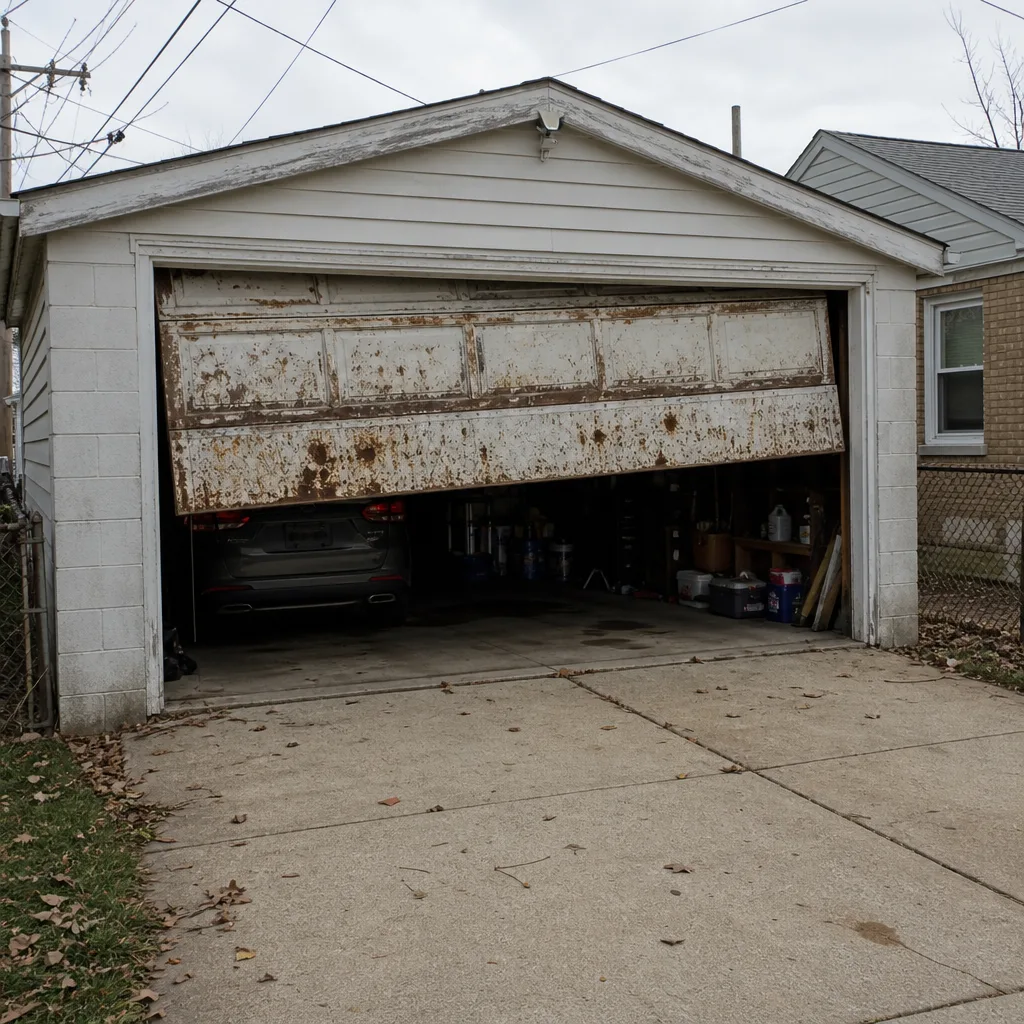 Before
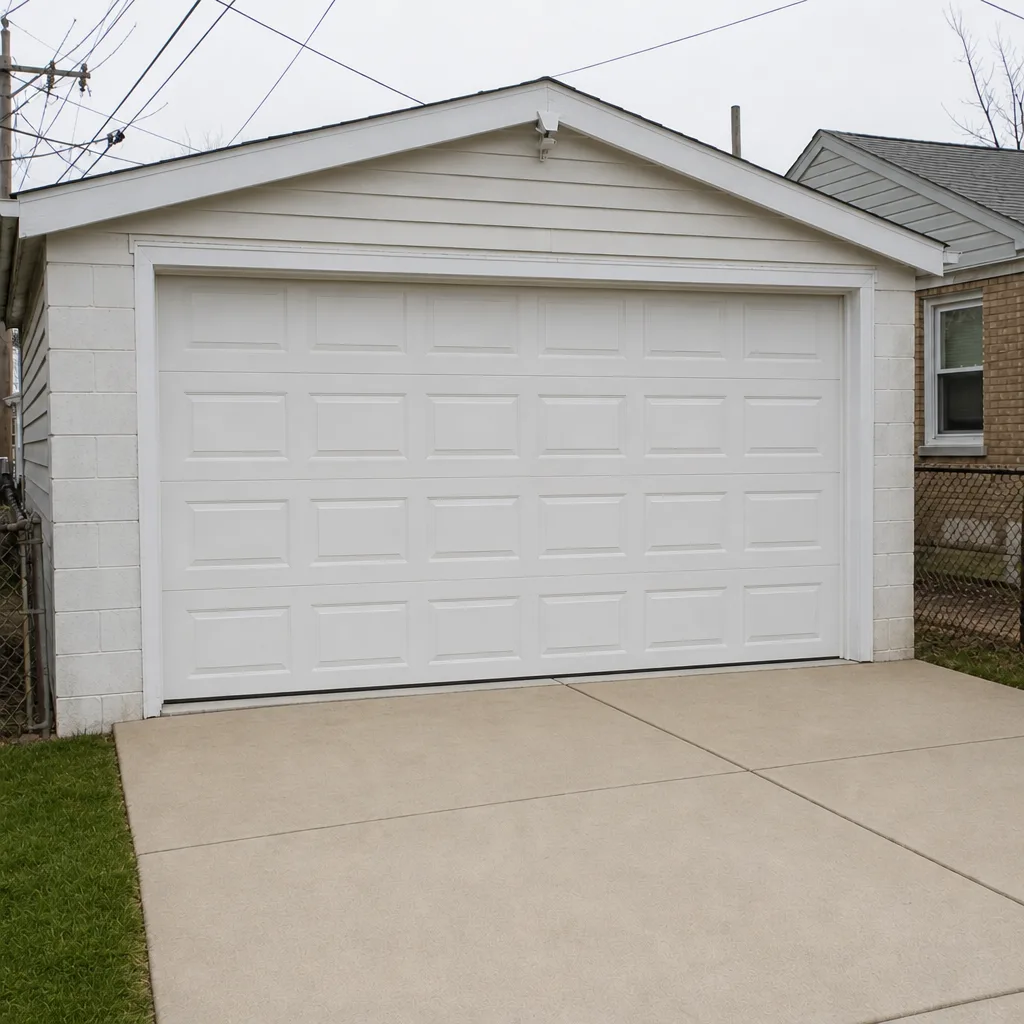 After
When to Call a Professional
Call a specialist when your project touches the door system itself in ways that are structural or mechanical: a spring that’s snapped, a door that’s fallen out of balance or refuses to travel smoothly, a track that’s bent away from the wall, or a new door that’s going into an existing opening. Call us when you’re planning an install and want a clear scope before the permit conversation starts – we’ll tell you which parts of the project change the structure and which are dimensional. We work on Amarr, Wayne Dalton, Craftsman, Raynor and other major brands, and we handle the full system: door, operator, springs, and hardware. Garage Door Repair West Ridge offers free estimates in West Ridge – call (833) 736-5797. We answer 24/7. Fast dispatch from 7am to 7pm, Sunday through Friday. The price is quoted and agreed before any work starts.
For structural changes – widening an opening, enclosing a carport, anything involving the framing or load path – the permit question belongs with the Department of Buildings first. We’ll help you understand what the door side of that project requires, and your contractor handles the structure and the filing.
And if you’re calling because an opener isn’t responding while you’re working through the permit process, that’s a different project. Our garage door opener repair service covers the full range of LiftMaster, Chamberlain and Genie systems, so the opener gets fixed without replacing the door or the controls.
Frequently Asked Questions
Usually not, if the replacement is truly like-for-like: the same door dimensions in the same opening with no change to framing or structure. Any structural change – widening an opening, adding an opening, enclosing a carport – requires a construction permit from the City of Chicago Department of Buildings. Confirm your specific scope with the department before ordering. Call (833) 736-5797 for a free estimate on the door work itself.
Two practical risks. First, a related insurance claim gets reviewed without an inspection record, and the adjuster has a legitimate question to ask. Second, a property sale can stall when the buyer’s attorney discovers the work on record. Neither is a catastrophe, but both cost more to resolve later than to handle correctly at the time. Call (833) 736-5797 for a free estimate on the door side of the project.
Yes, the Department of Buildings handles permits for completed work through a retroactive permit process, which typically requires submitting documentation and making the work available for inspection – sometimes opening up finished walls or framing. In West Ridge, where garage openings are often close to shared structures, expect a careful review of the load path. Call (833) 736-5797 with questions about redoing the door installation to current standards.
Inspectors focus on safety hardware and structural attachment: the header above the opening, track anchoring, spring and safety cable condition, fastener integrity, door balance and travel, and photoelectric safety reversal. Cosmetics almost never come up. If your door fails on a spring or cable item, that’s the first thing to fix – and a job for a trained professional. Call (833) 736-5797 for a free spring replacement estimate.
A straight opener swap in most cases doesn’t require its own permit, but a new electrical circuit or a different opener type that requires rewiring is a different question, and the department can answer it for your scope. If the door and opener are both being replaced as one project that doesn’t change structure, a single permit conversation usually covers both. Call (833) 736-5797 for any opener-side work.
Changing the style – panel design, window configuration, color – without changing dimensions keeps the project in the dimensional category and generally doesn’t require a permit. If your style change also changes the weight enough to require different springs, that’s a hardware adjustment, not a structural one. Confirm with the department if you’re unsure of your project’s category. Call (833) 736-5797 for a free measure and a written price on the new door.
The Bottom Line
Most garage door work in West Ridge doesn’t need a permit, and the projects that do need one get flagged by structure, not by door style. If your replacement matches the opening dimensions, ask the Department of Buildings to confirm and move on with your day. If the project widens an opening, encloses a carport, or touches the header, file the construction permit before work starts, get the final inspection recorded, and keep it in your property file. If the work is already done without one, the retroactive route is worth taking when framing was involved. Retrofitting a permit after the fact is annoying. Retrofitting it during a resale negotiation is worse. For the door side of any West Ridge project, we’re the specialist to call – garage door repair and installation, springs and hardware, and every major brand of opener in the region. Call (833) 736-5797 for a free estimate. We answer 24/7, with fast dispatch from 7am to 7pm, Sunday through Friday. The price is quoted and agreed before any work starts.
Written by the team at Garage Door Repair West Ridge.