
Last updated November 21, 2026
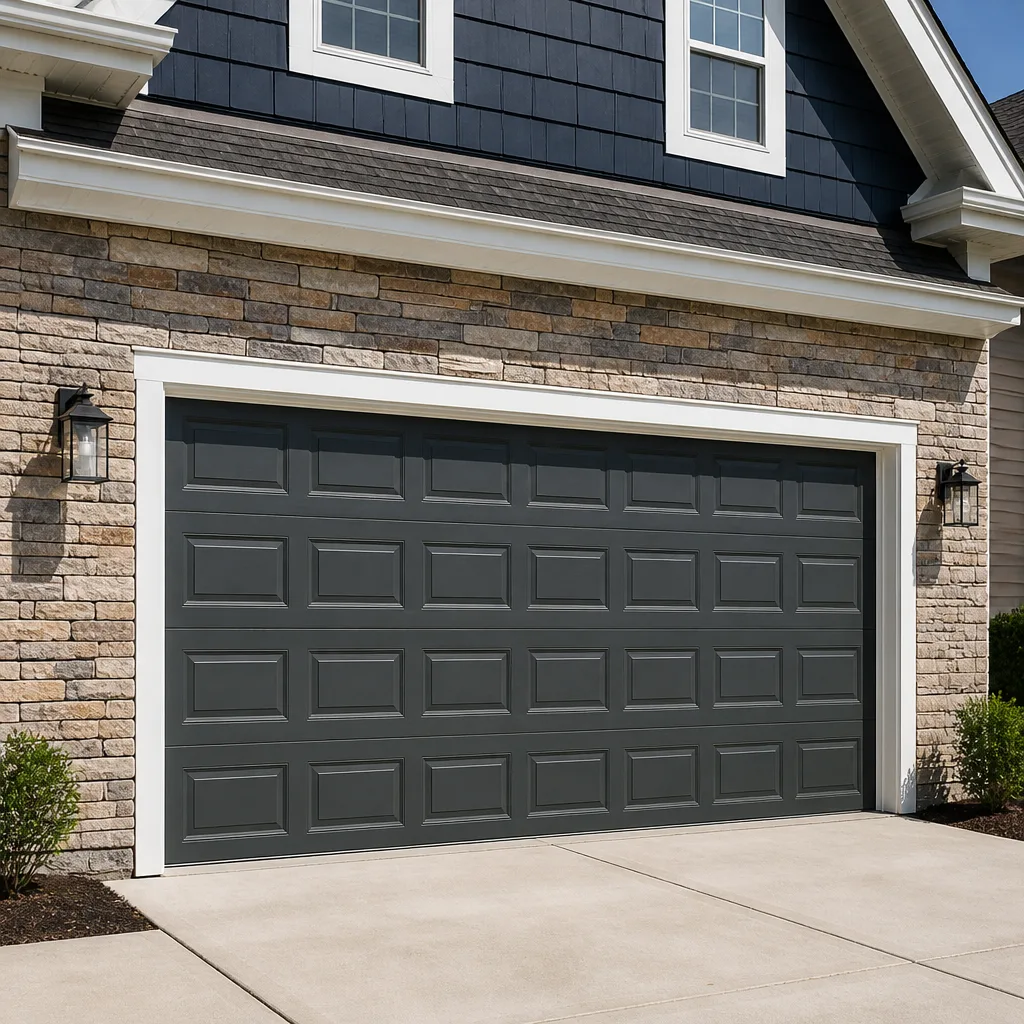 Raised-panel steel
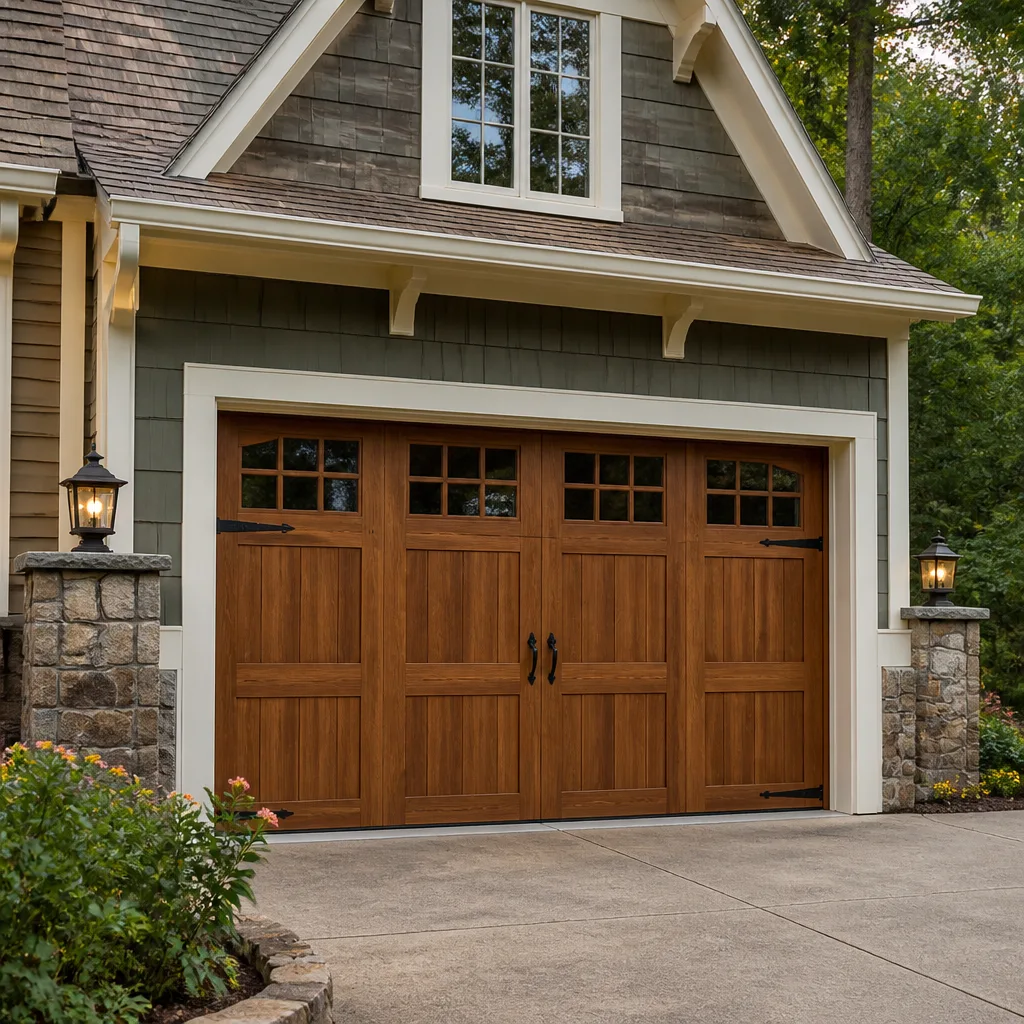 Carriage house
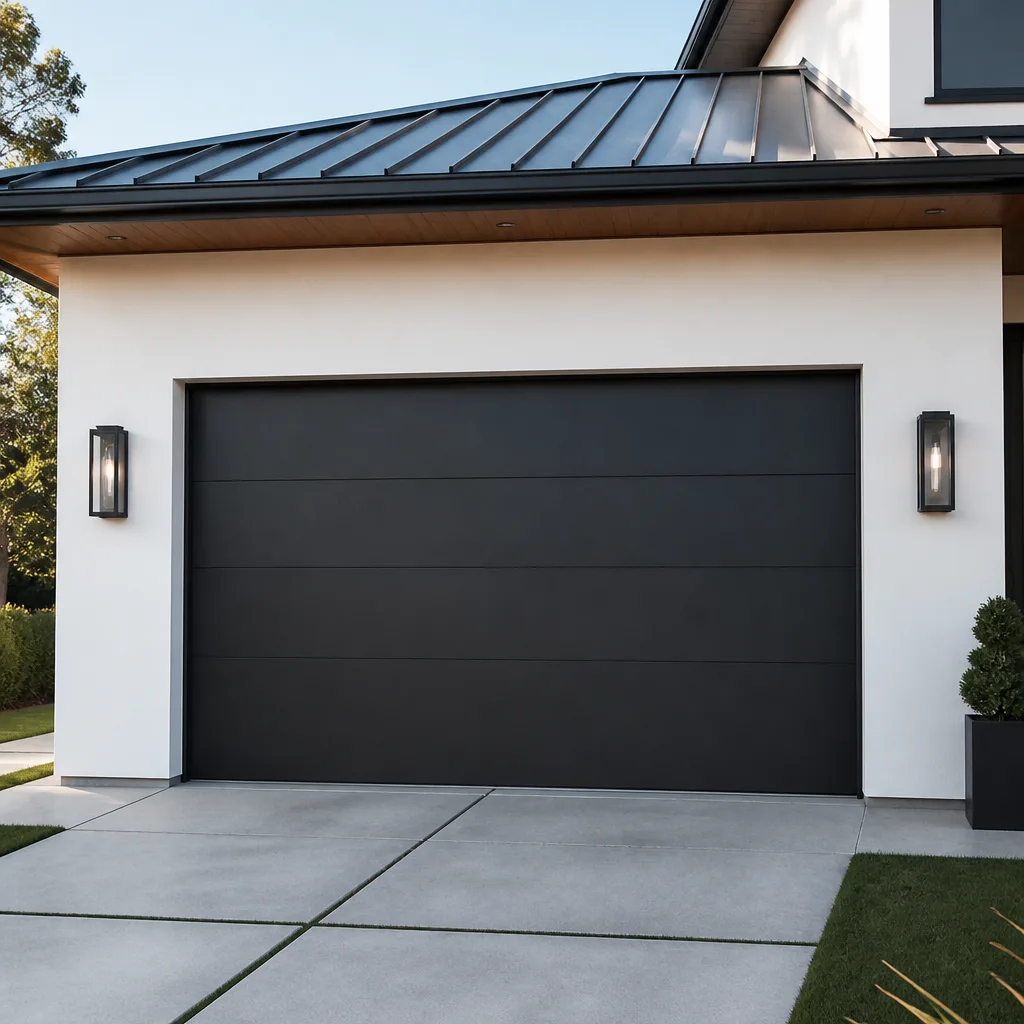 Modern flush
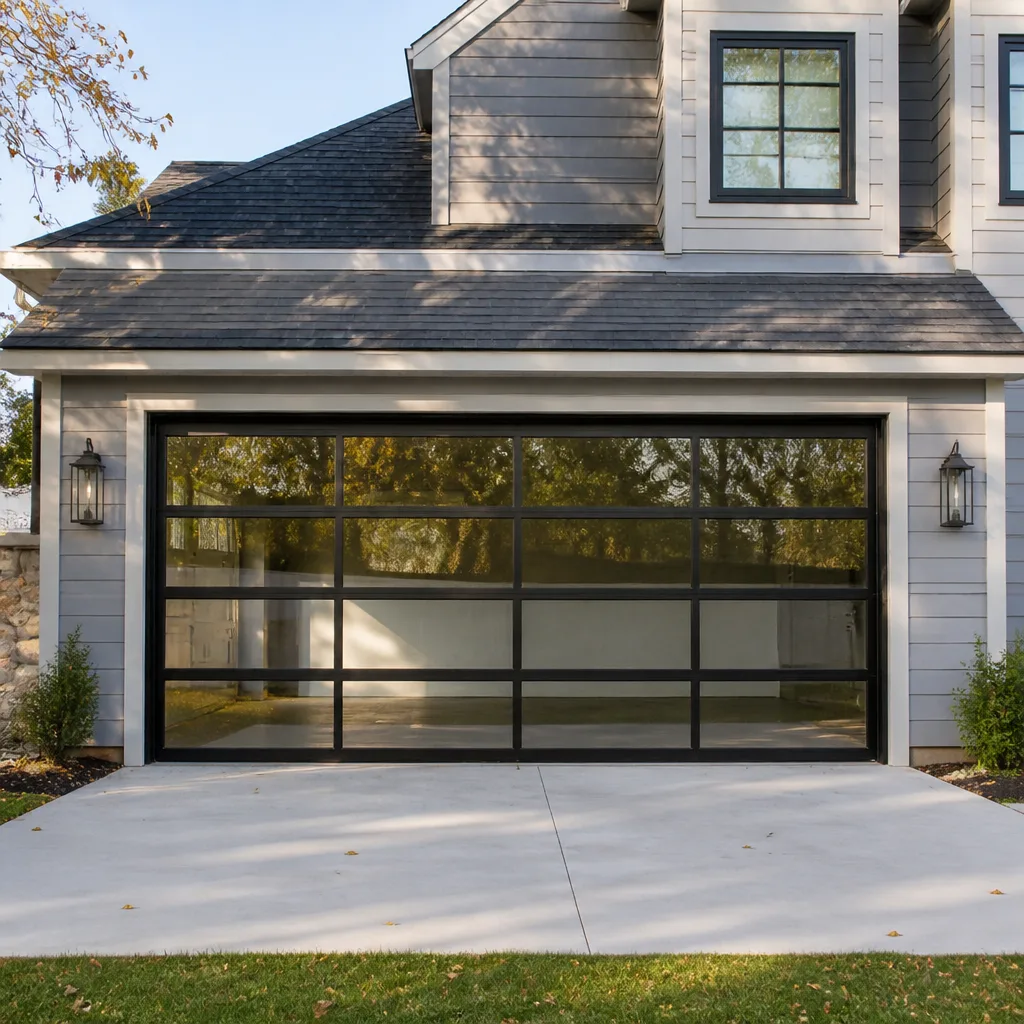 Full-view glass
 LiftMaster openers
 Chamberlain openers
Full 25-point door and opener safety check with every visit - springs, cables, rollers, tracks, and your LiftMaster or Chamberlain opener included
You get a price before we start. It does not change when the pro arrives.
Get your free estimateSeasonal Garage Door Care for West Ridge: Year-Round Homeowner’s Guide
Most homeowners assume garage door springs wear out slowly and evenly, giving plenty of warning before they snap. In West Ridge, that assumption causes a lot of surprise failures. The real trouble usually arrives in February, when cold contracts the steel, ice weights the door, and both hit the same parts at the same moment. A door that felt fine in November can feel suddenly heavy and dangerous by midwinter. What follows is a month-by-month care plan built for this climate, not a generic four-season template. You’ll learn which tasks belong to which month, what each season actually does to your door and opener, and when it’s time to stop adjusting and call a specialist.
Quick Answer
Seasonal garage door care in West Ridge means matching maintenance to real Chicago weather: lubricate and replace weatherstripping before the first freeze, keep the bottom seal free of ice in winter, inspect cables and springs for road-salt corrosion once the thaw arrives, and check track alignment and sensor function as summer humidity swells wood and metal. Doing the right task in the right month prevents most emergency calls, and anything involving springs or cables should go to a trained technician.
Styles & brands we work with
- Raised-panel steel
- Carriage house
- Modern flush
- Full-view glass
- LiftMaster openers
- Chamberlain openers
Table of Contents
- Why West Ridge Doors Work Harder Than Most
- Fall Prep: Beating the First Freeze
- Winter: Frozen Seals, Tight Springs, and a Door Stuck to the Ground
- Spring Inspection: What a Chicago Winter Leaves Behind
- Summer: Humidity, Wood Doors, and Sensor Drift
- Your Month-by-Month Care Calendar
- Opener Care Through the Seasons
- What You Can Do Yourself and What You Shouldn’t
Why West Ridge Doors Work Harder Than Most
West Ridge sits in a climate that punishes garage doors in a specific, predictable way. The area swings through hard freezes and repeated thaws all winter, and the split-level and brick bungalow stock common on streets like Washtenaw, California, and Rockwell means many doors face north or sit under deep shade where ice lingers for days after a thaw. Every one of those cycles works the springs, the bottom seal, and the hardware.
Then there’s the road treatment. West Ridge gets plowed and salted along Western, Devon, and Peterson, and that treatment ends up on driveways and splash zones. Salt residue climbs onto the bottom brackets, hinges, and the lower section of the cables. It doesn’t destroy a door overnight. It works slowly, eating the protective coating and leaving rust that shows up months later.
Summer brings the opposite problem. Humidity in a Chicago July pushes wood door panels to swell and metal tracks to expand, and both can throw a door slightly off balance. In our experience, a door that runs quietly in April often starts rubbing a section in August.
So the seasonal approach here is less about a tidy checklist and more about timing. Each component takes its worst hits in a particular month. Care for it before that month, not during it.
Fall Prep: Beating the First Freeze
The single most valuable window for garage door care in West Ridge is the stretch from late September to the first hard freeze, usually in November. Whatever you do in that window decides how the door behaves until March. Here’s what matters most:
- Replace or reseal the bottom seal. The bottom weatherstripping is your door’s first barrier against wind, snow, and ice. A cracked or flattened seal lets snowmelt under the door, and that water refreezes into a bond between seal and concrete. Fit a new seal while the weather is still mild.
- Check the perimeter weatherstripping. If you can see daylight along the sides or top of a closed door, cold air gets in and ice forms at the edges. Look closely at the frame strips before the freeze.
- Lubricate with low-temperature grease. Rollers, hinges, and the torsion spring coils need a lubricant that stays workable in below-freezing temperatures. General-purpose oil can thicken and gum up in the cold. A low-temperature grease or a silicone-based spray that specifies cold-weather performance is the right choice.
- Give the door a balance test. Disconnect the opener and lift the door by hand. If it feels heavier than it should or won’t hold in place partway up, the springs are already weak. Getting ahead of a tired spring in October is far better than facing it in February.
- Look over the cables for rust. A thin coat of rust on the lower cable ends in fall almost always means the salt season will finish the job.
A door that’s balanced and sealed before the freeze is a door that won’t hand you a crisis in January. If a worn spring turns up during your fall check, that’s the time to schedule repair work, before cold weather turns it into an emergency.
Winter: Frozen Seals, Tight Springs, and a Door Stuck to the Ground
Winter is where the real danger hides. Springs don’t just wear out over time, they get stressed by the cold, and in West Ridge the coldest weeks arrive exactly when the door gets heaviest with snow and ice. The combination is what makes February the most common month for spring failure around here.
If your door refuses to move on a freezing morning, the problem is often ice bonding it to the ground. Freeing it needs care:
- Don’t keep pressing the opener button. Repeated attempts strain the opener motor and the springs, and if the door is stuck hard, the opener may pull hard enough to damage hardware.
- Clear snow and slush from the outside of the door and the base, then look for a bonded strip of ice under the bottom seal.
- Use a plastic scraper or a light application of ice melt along the seam. Never use a metal tool or a hammer to chip ice from the door or the tracks; metal tools scratch the finish and can bend the bottom seal.
- Never use hot water. It refreezes as a thicker layer the moment temperatures drop again.
- Once loose, open the door slowly and listen. If the door grinds, jerks, or hangs up partway, stop and call a professional rather than forcing it.
Winter is also when contracted springs feel most tense. If the door suddenly feels much heavier to lift, or you hear a loud snap from the torsion bar, keep the door closed and stop using the opener. Broken springs on a heavy West Ridge winter door are a serious hazard, and they belong to a trained technician, not a weekend fix.
Spring Inspection: What a Chicago Winter Leaves Behind
When the snow clears, take a slow walk around the inside of the garage. This is the season when winter damage shows itself, and the lower half of the door tells most of the story.
Look at the cables first. After months of road-salt splash, the lower ends and the bottom brackets are the places where rust shows up early. Discolored strands or fraying are a sign that the cable is weakening. Don’t try to clean rust off a cable or loosen a cable tensioner yourself. Cables are under heavy tension and can cause severe injury if handled by someone without training. This is one of those moments when a call is the right move.
Next, check the door’s balance. Disconnect the opener and lift the door to about waist height. A well-adjusted door should hold itself there. A door that drops or feels heavy against your hand has tired springs. You can also watch the rollers as the door moves. Worn or flat-spotted rollers make a rattle and add stress to the tracks.
Other spring inspection items to work through:
- Hinges and the bottom brackets: rust that’s eating into the metal, not just surface discoloration
- Bottom seal condition after a season of freeze and thaw: cracked, torn, or misshapen
- Tracks for dents or misalignment caused by winter impact
- Opener safety reversal: the door should reverse when it meets an obstruction, and the safety sensors should be clean and working
Spring servicing is a good time to schedule a proper service call for anything more than surface rust. Our technicians have up to 15 years of experience, and spring repair is a service we take on directly rather than leave to a generalist.
Summer: Humidity, Wood Doors, and Sensor Drift
West Ridge summers bring humidity levels that quietly affect both the door body and the mechanism. If your door is wood or has wood-look components, watch the panels for swelling, swelling at the edges, and paint failure. Humidity that works into open seams slowly lifts paint and opens the wood to moisture. A yearly look at the finish and a fresh coat where it’s failing keeps a wood door from going soft.
The metal parts react too. Track metal expands in summer heat, and a track that was perfectly aligned in spring can swell enough to bring the rollers into tight contact. That’s why a door that runs quietly all winter can start rattling in July. Lubricate the rollers and hinges again in early summer, and check that the door still runs level across the header.
Safety sensor alignment is the other summer issue. Sensor brackets can loosen, and a slight shift is enough for the door to reverse before it closes. Test the sensors by blocking the beam with an object; if the door doesn’t reverse, adjust the sensor eyes until the unit’s indicator light shows it recognizes the obstruction. Clean any dirt or spider webs from the sensor lenses at the same time. It’s a small job that prevents a lot of frustration, and on a modern LiftMaster or Chamberlain opener the indicator lights make alignment easy to check.
Your Month-by-Month Care Calendar
A four-season checklist is too vague for this climate. The West Ridge garage door calendar looks more like this:
- September: Inspect and replace the bottom seal. Clear drains and gutters near the garage so water doesn’t pool at the door.
- October: Lubricate rollers, hinges, and springs with cold-weather lubricant. Test door balance and document any weak spring feel before the freeze.
- November: Replace perimeter weatherstripping. Check cables for early rust before salt season starts. Clear the driveway of debris that could freeze to the door.
- December: Test the opener’s auto-reverse and safety sensors. Make sure the bottom seal is clean and ice-free.
- January: Clear ice from the bottom seal as soon as it forms, using plastic tools and ice melt. Listen for grinding or snapping sounds; stop using the opener if the door feels bound.
- February: The spring stress months, so keep an eye on balance. If the door gets harder to lift, that’s a warning, not something to push through. Call a specialist for spring work.
- March: Post-winter inspection of cables, hinges, and bottom brackets for salt corrosion. Test the door balance again as temperatures rise.
- April: Check the rollers for wear and replace as needed. Schedule any spring or cable service caught during winter.
- May: Inspect a wood door for swelling and paint failure. Lubricate moving parts before the humidity climbs.
- June: Test safety sensors and realign if needed. Check the tracks for summer expansion.
- July: Watch for track rubbing and adjust or lubricate. Re-check the bottom seal after the spring thaw season.
- August: Final pre-fall check. Order a new bottom seal if it looks worn, before the freeze arrives.
Following this calendar is not about working on your door every month. It’s about putting the right task before the season that stresses it.
Opener Care Through the Seasons
The opener gets overlooked in most seasonal guides, but it faces the same climate stress as the door. Cold makes the chain or belt stiffer, and an opener pushing a heavy winter door works harder than it does in July. If the door is straining, the opener is absorbing part of that strain.
Test the opener’s force settings as the seasons change. A door that worked smoothly in fall may need its travel limits slightly adjusted as the door body expands and contracts. Check the manual for your model; most LiftMaster and Genie units include a simple adjustment procedure for travel limits and force. If the opener keeps stopping and reversing on its own, that usually signals a limit or force setting that needs attention, or a developing problem in the door itself.
Keep the opener’s safety features working year-round. Test the auto-reverse monthly by placing a piece of wood in the door’s path, and check the sensor eyes are clean. In winter, ice and snow can block a sensor and cause the door to refuse to close. Clear the lens area after any snowfall. And if you’re replacing the opener, match it to the door’s weight and the garage’s ceiling height; a specialist can size it correctly rather than guessing.
If your opener is old or misbehaving, we handle garage door opener repair on the brands you already own, including Raynor and Chamberlain, without a separate call to another contractor.
What You Can Do Yourself and What You Shouldn’t
There’s a clear line between seasonal care and risky work. Lubricating, cleaning the bottom seal, clearing ice, testing sensors, and inspecting cables for rust are all homeowner tasks. Anything involving the torsion spring, the cables under tension, or a door that has fallen off track is a job for a trained technician. Springs and cables store enormous energy. A cable that lets go or a spring that releases suddenly can cause serious injury even to someone being careful.
For those jobs, our technicians have up to 15 years of experience, and we carry genuine parts for eight major brands, including LiftMaster, Chamberlain, Genie, Clopay, Amarr, Wayne Dalton, Craftsman, and Raynor. We work on the brand you already own, so you don’t need to replace working equipment to get it serviced. If your door needs more than repair, we also handle new doors and openers, so the same specialist sees the job from inspection through garage door installation when the time comes.
A full replacement or new door is a scheduled project, not a same-day emergency, so the right move is a free measure and a written price. For repairs, we’ve built our service around the problems that hit West Ridge doors season by season, and we’re ready to help when something fails. If you need us for a fix or just want a second opinion on the winter damage, garage door repair is available at (833) 736-5797, with free estimates and no charge for the visit. For the broader picture of how we approach the whole system, see Garage Door Repair West Ridge.
Common Mistakes to Avoid
- Waiting until a spring snaps to think about balance. A door that feels heavy in November is telling you something. Waiting until it fails in February means dealing with a broken spring in the worst weather of the year.
- Using the wrong lubricant in fall. Thick oil turns to sludge in freezing temperatures, causing rollers and hinges to bind. Low-temperature grease is the right call, and it’s the cheap fix that saves an expensive one.
- Chipping ice with a metal tool. A hammer or screwdriver can bend the bottom seal, scratch the finish, or dent the tracks. Use a plastic scraper and ice melt instead.
- Ignoring rust on cables until they fail. Rust that starts in fall quietly weakens a cable through winter. A springtime check catches it while it’s still a service call rather than an emergency.
- Overlooked safety sensors in summer. Thermal expansion and loose brackets cause misalignment that stops the door from closing. Test them monthly rather than discovering it when you’re in a hurry.
- Lubricating on a schedule you found online for a different climate. West Ridge’s freeze-thaw cycles and humidity call for specific timing. A generic annual checklist misses the real failure windows.
- Forgetting the opener’s force and limit settings. A door that expands in summer or contracts in winter can throw these settings off. Small adjustments keep the opener from working overtime.
See the difference
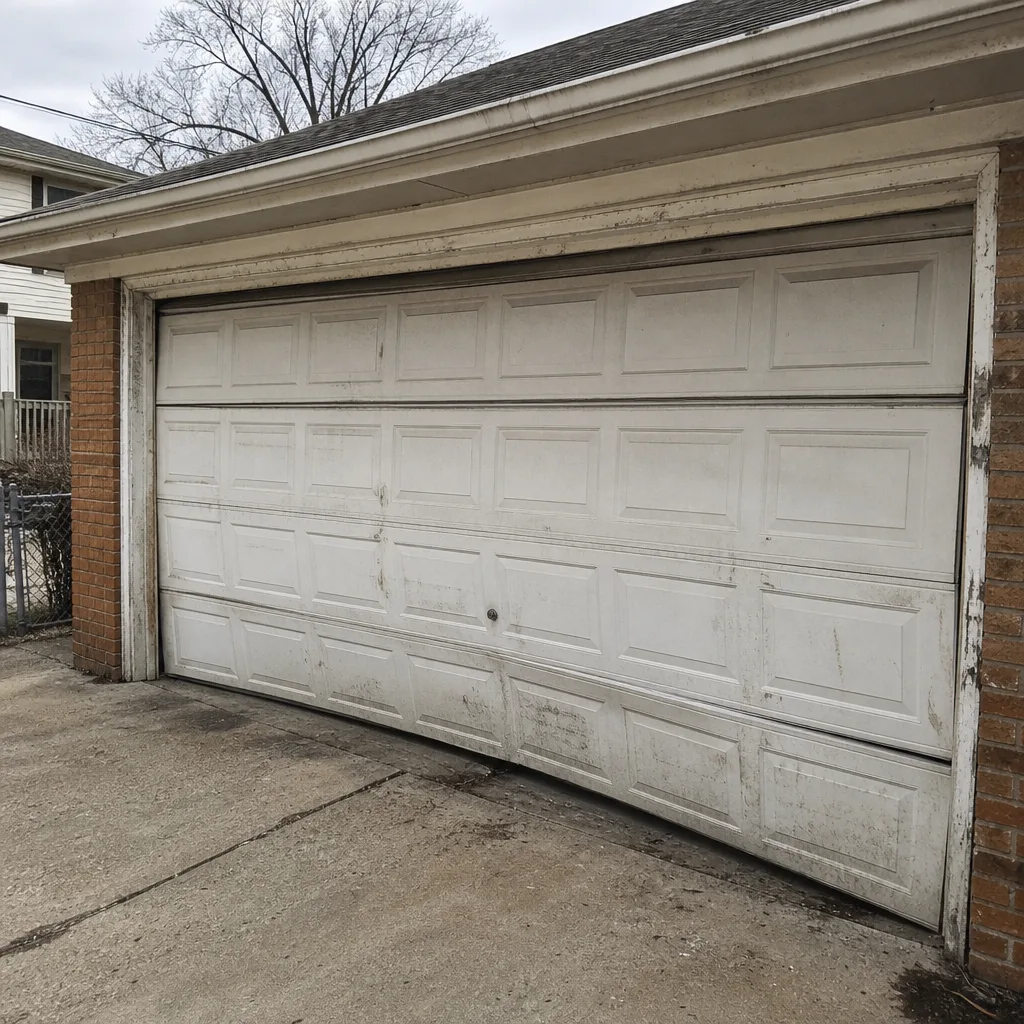 Before
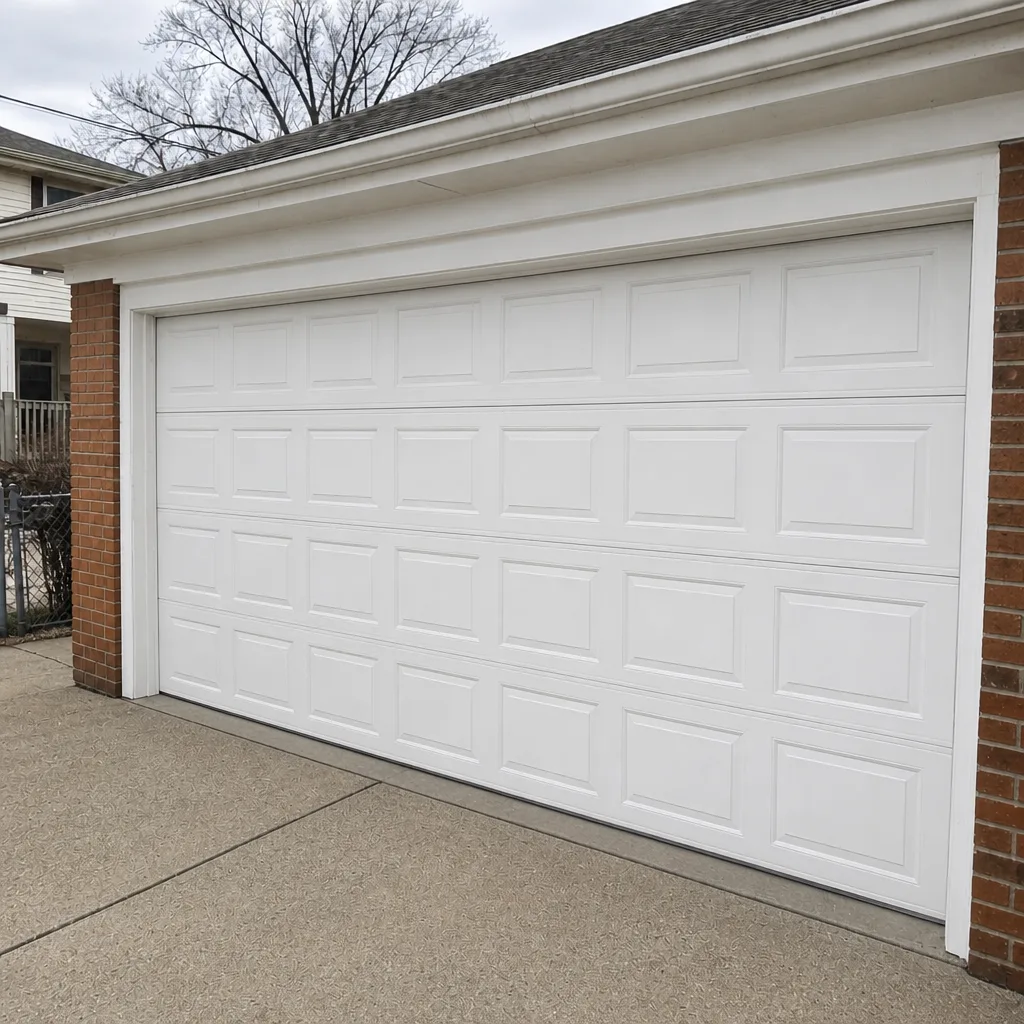 After
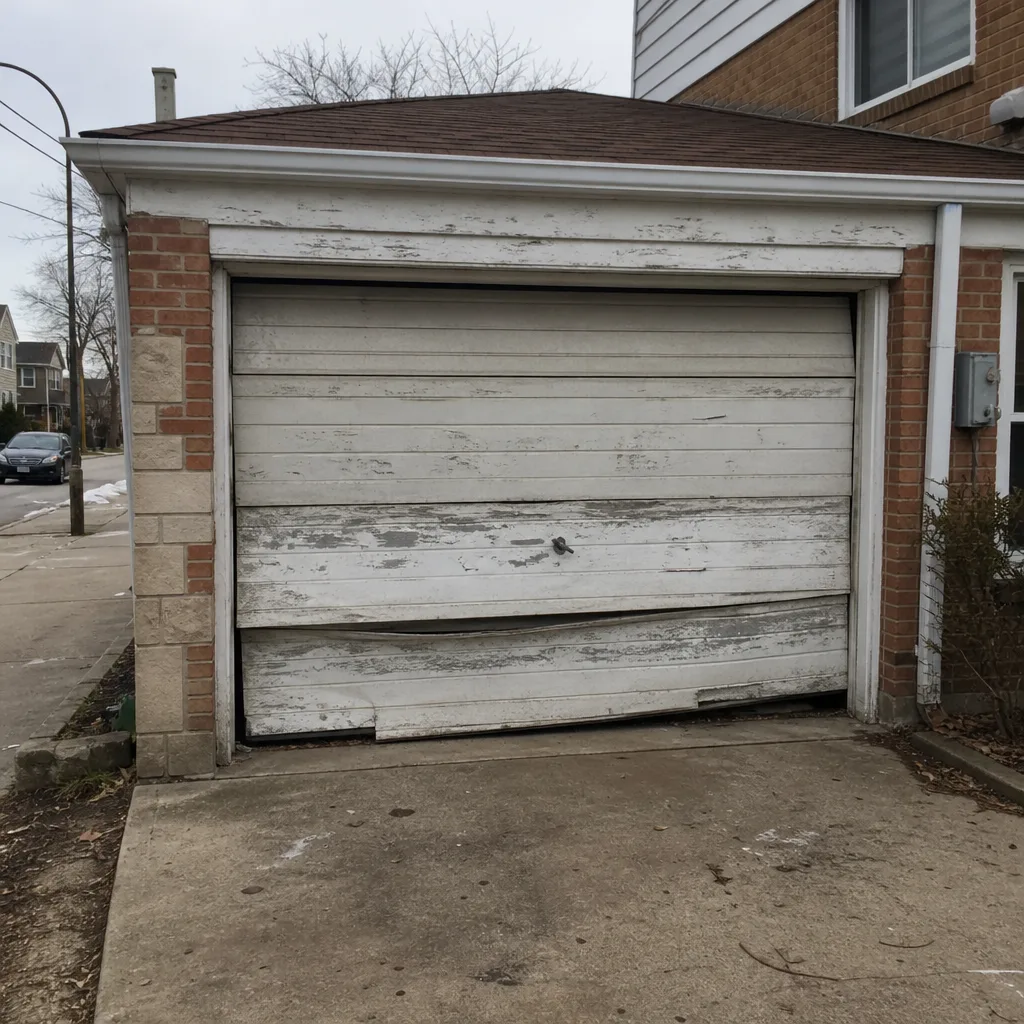 Before
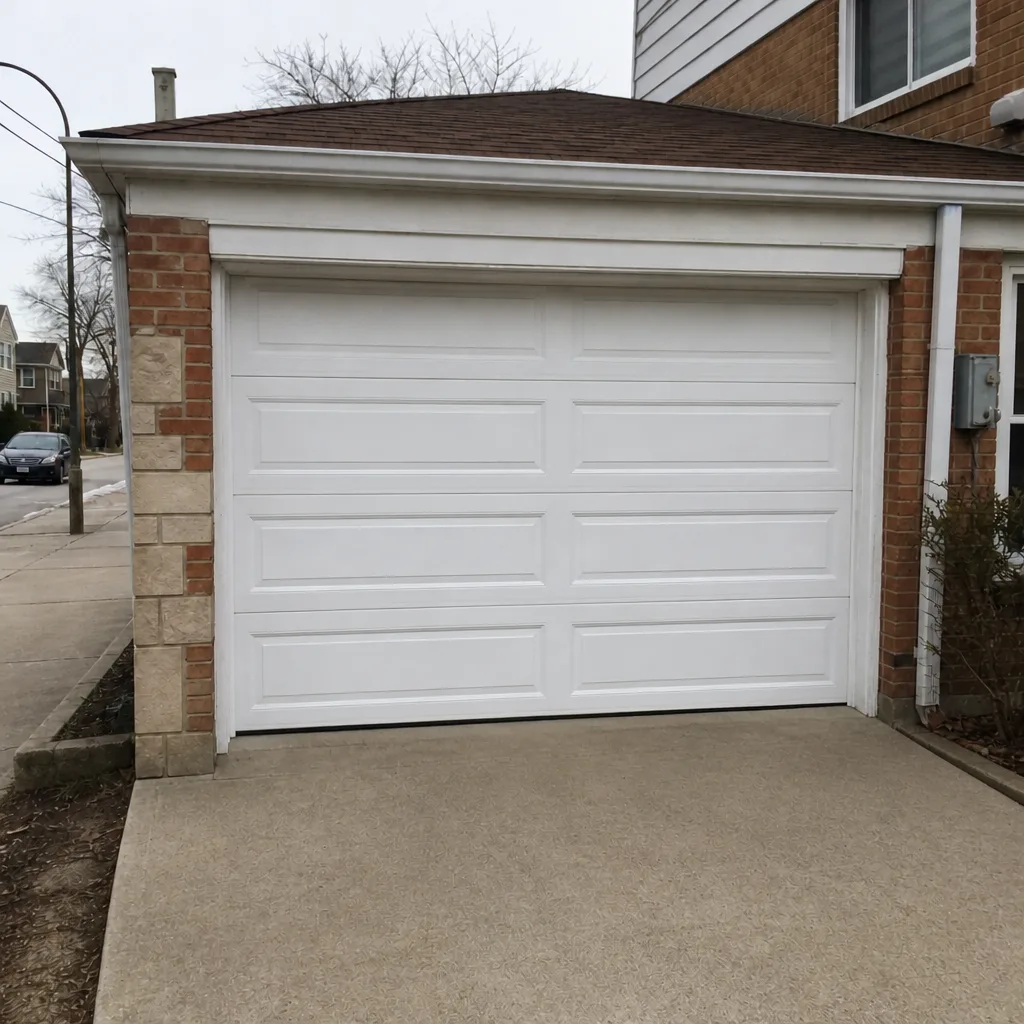 After
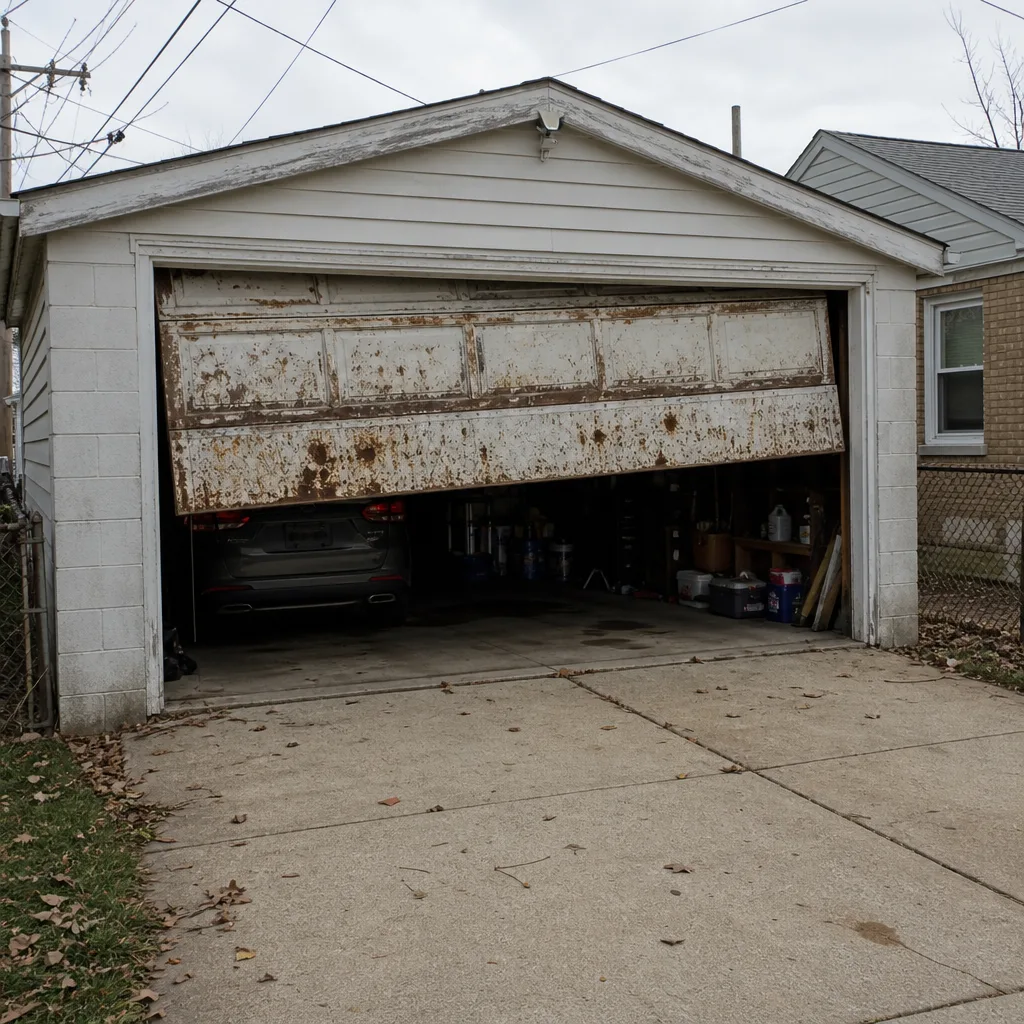 Before
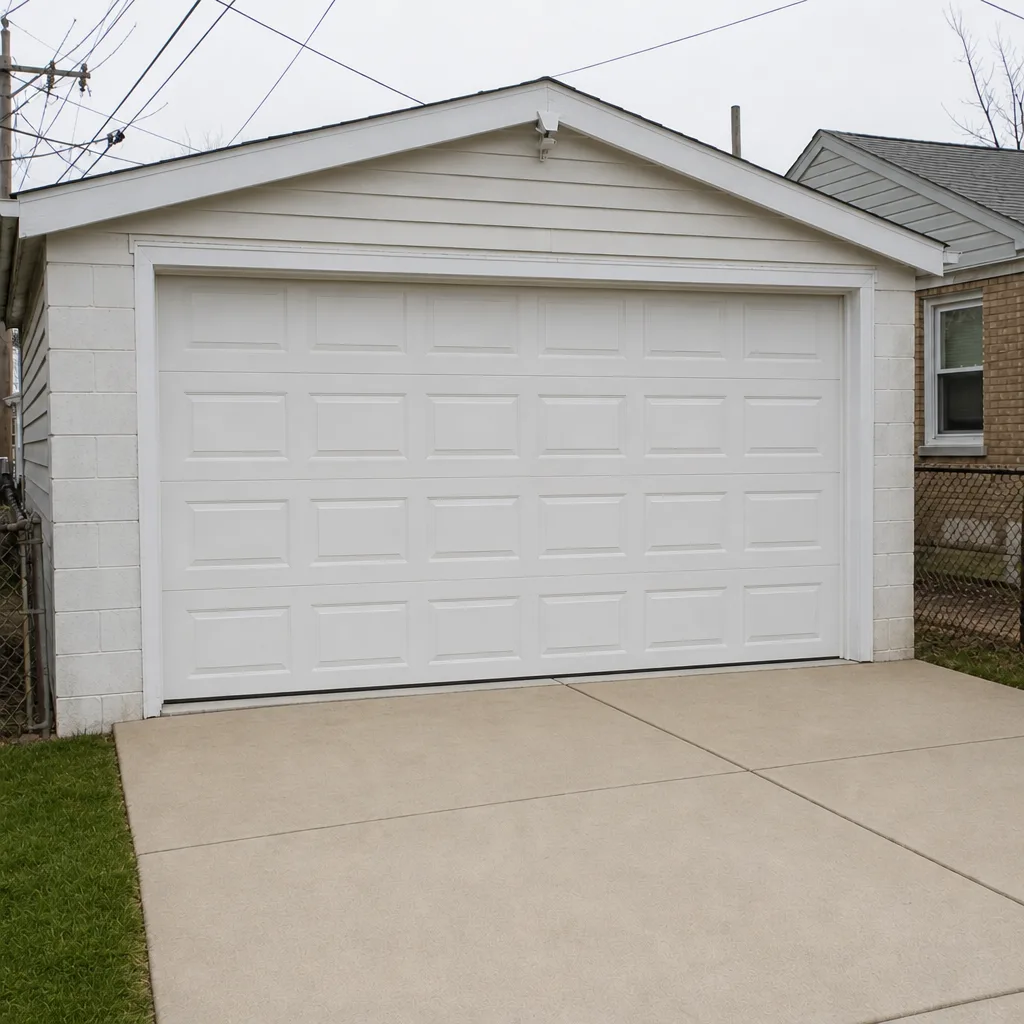 After
When to Call a Professional
Call a professional whenever a spring snaps, a cable frays, or the door comes off track. Those are jobs that carry real injury risk, and no homeowner should handle them alone. Call also if the door is badly out of balance, if the opener keeps reversing without an obstruction, or if the door feels heavy to lift by hand after a winter. If you’re unsure whether something is a seasonal adjustment or a developing failure, that’s exactly the call to make. At Garage Door Repair West Ridge, we offer free garage door repair estimates in West Ridge, so you know the written price before any work begins. Call (833) 736-5797. We answer 24/7. Fast dispatch from 7am to 7pm, Sunday through Friday.
Frequently Asked Questions
February is the most common month for spring failure in West Ridge because cold contracts the steel while ice makes the door heavier, putting maximum stress on the springs at once. If your door feels heavy to lift in January or February, that’s the warning sign to get it checked before it fails completely. Call (833) 736-5797 for an inspection.
Free a frozen door by clearing snow and slush first, then scraping the bonded ice at the bottom seal with a plastic tool and applying ice melt along the seam. Never use hot water, which refreezes into a thicker bond, or a metal tool that can damage the seal and tracks. If the door still won’t move after the ice is cleared, stop and call a professional rather than forcing it. Call (833) 736-5797 if you’re unsure.
After a Chicago winter, check the lower cable ends and bottom brackets for rust from road-salt splash, test the door balance, and look over the bottom seal and hinges for winter damage. Rust that goes beyond surface level on a cable is a reason to call a specialist, since cables are under heavy tension. Call (833) 736-5797 to schedule a spring inspection.
You can lubricate the visible coils of a torsion spring from a distance using a low-temperature grease, but you should never touch the spring tension or the adjustment hardware. Springs store enormous energy and can cause serious injury. If you’re not sure where to stop, let a technician handle the lubricating and inspection and keep your hands clear. Call (833) 736-5797 for spring service.
The local professional we connect you with is licensed and insured as their state requires, and our technicians have up to 15 years of experience on door and opener systems. We work on the brand you already own, including all eight major makes we service. Call (833) 736-5797 for a free estimate.
No. The price is quoted and agreed before any work starts, and the written estimate sets the final number, so there are no surprises after the visit. Seasonal repair and maintenance costs vary by job, and the estimate tells you the total up front. Call (833) 736-5797 for an exact quote; estimates are free.
The Bottom Line
Seasonal garage door care in West Ridge is about timing. West Ridge’s freeze-thaw cycles, road-salt splash, and humid summers hit different components in different months. Seal and lubricate before the first freeze, keep ice off the bottom seal in winter, look for cable corrosion after the thaw, and check humidity swelling and sensor alignment in summer. Follow the month-by-month calendar and you’ll catch most problems while they’re still small. Leave the springs and cables to a trained technician, and when the door needs professional eyes, a specialist who works on the brand you already own is the right call.
Written by the team at Garage Door Repair West Ridge.