
Last updated November 21, 2026
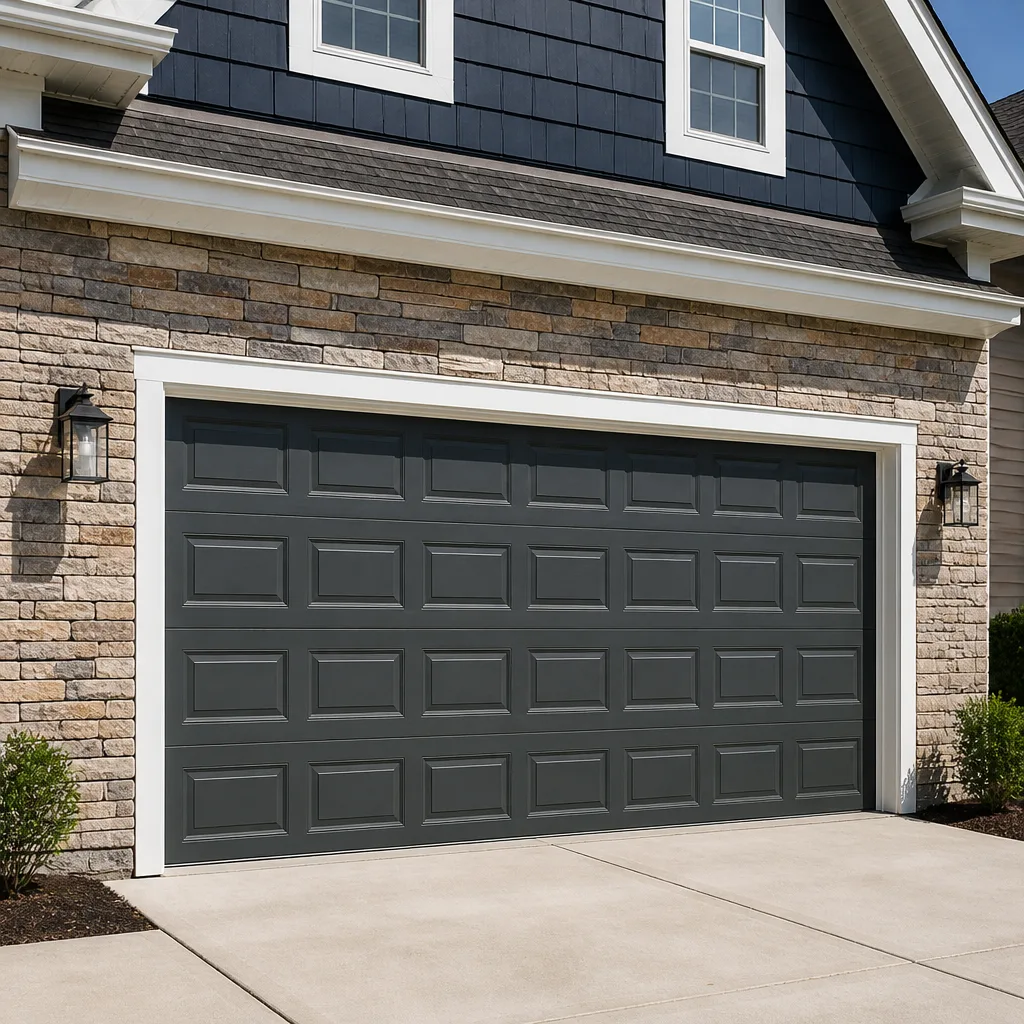 Raised-panel steel
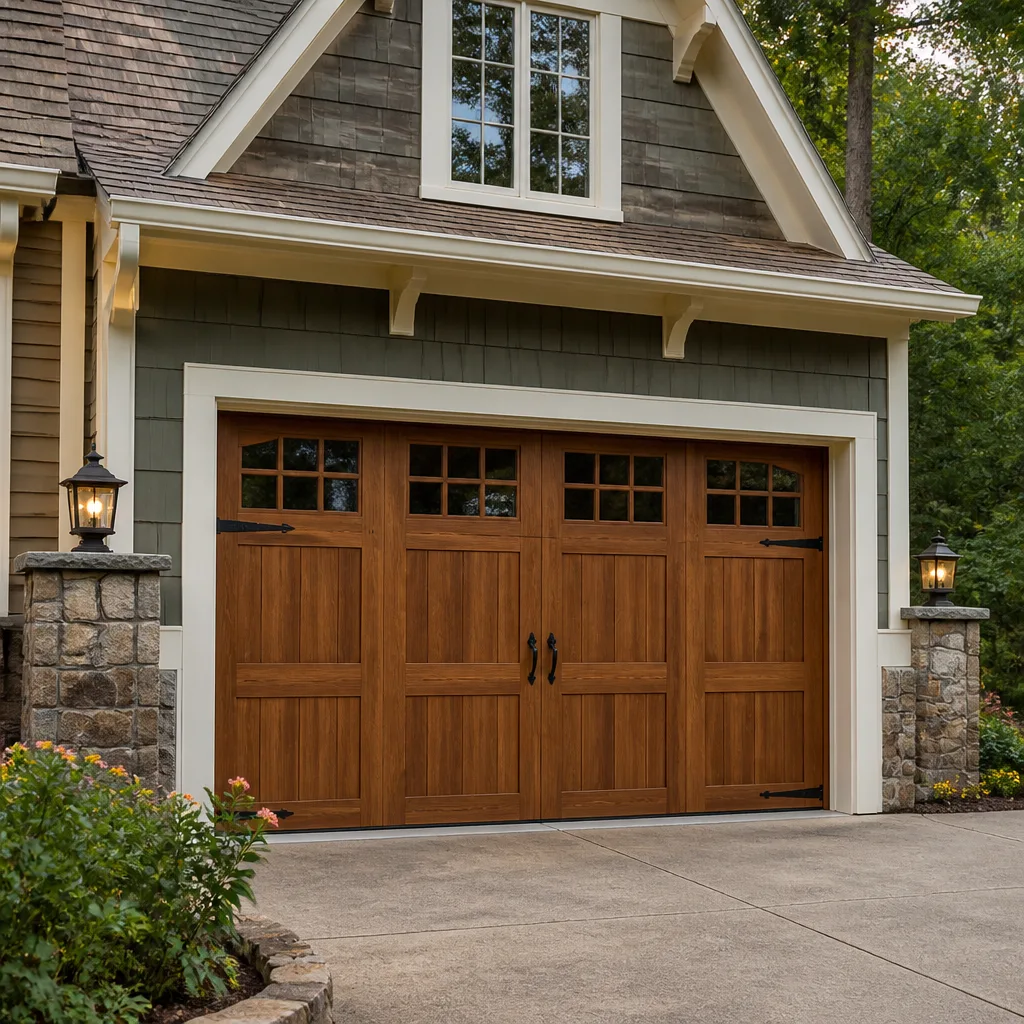 Carriage house
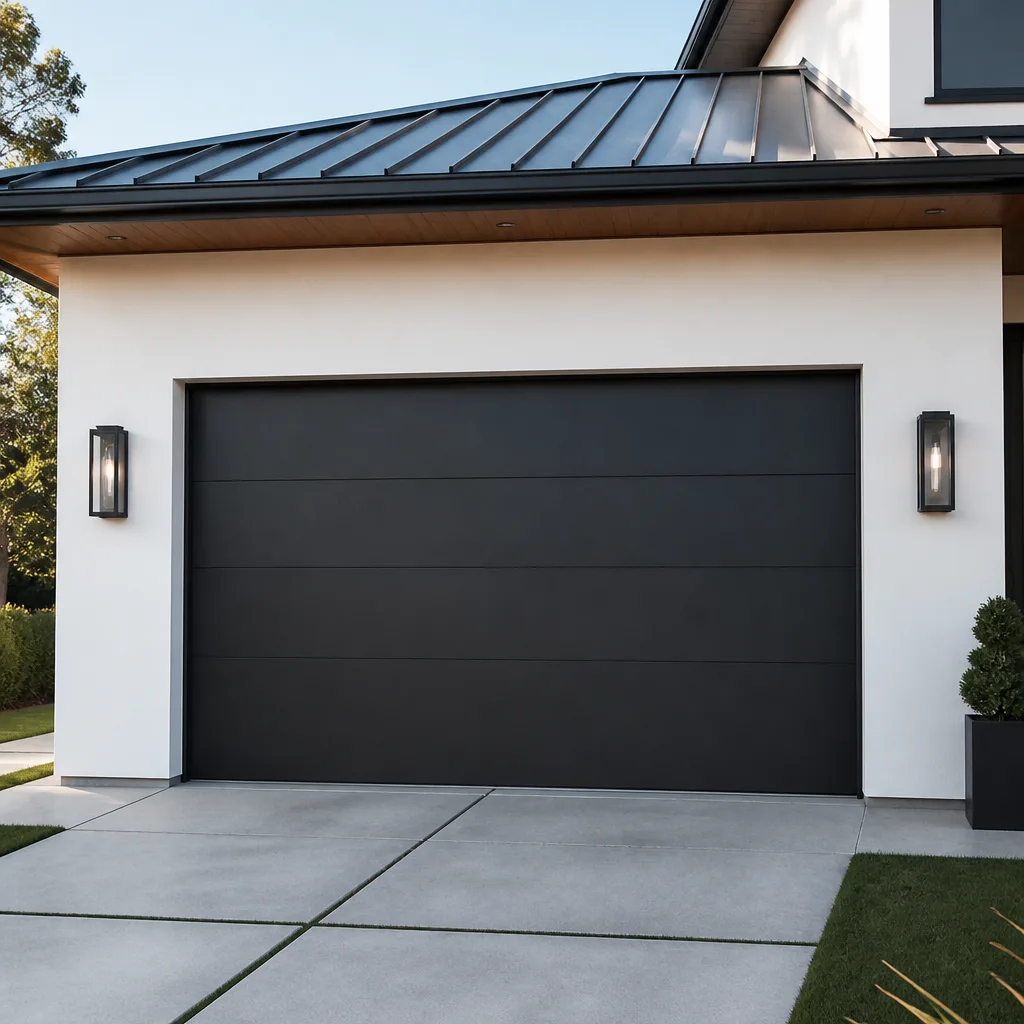 Modern flush
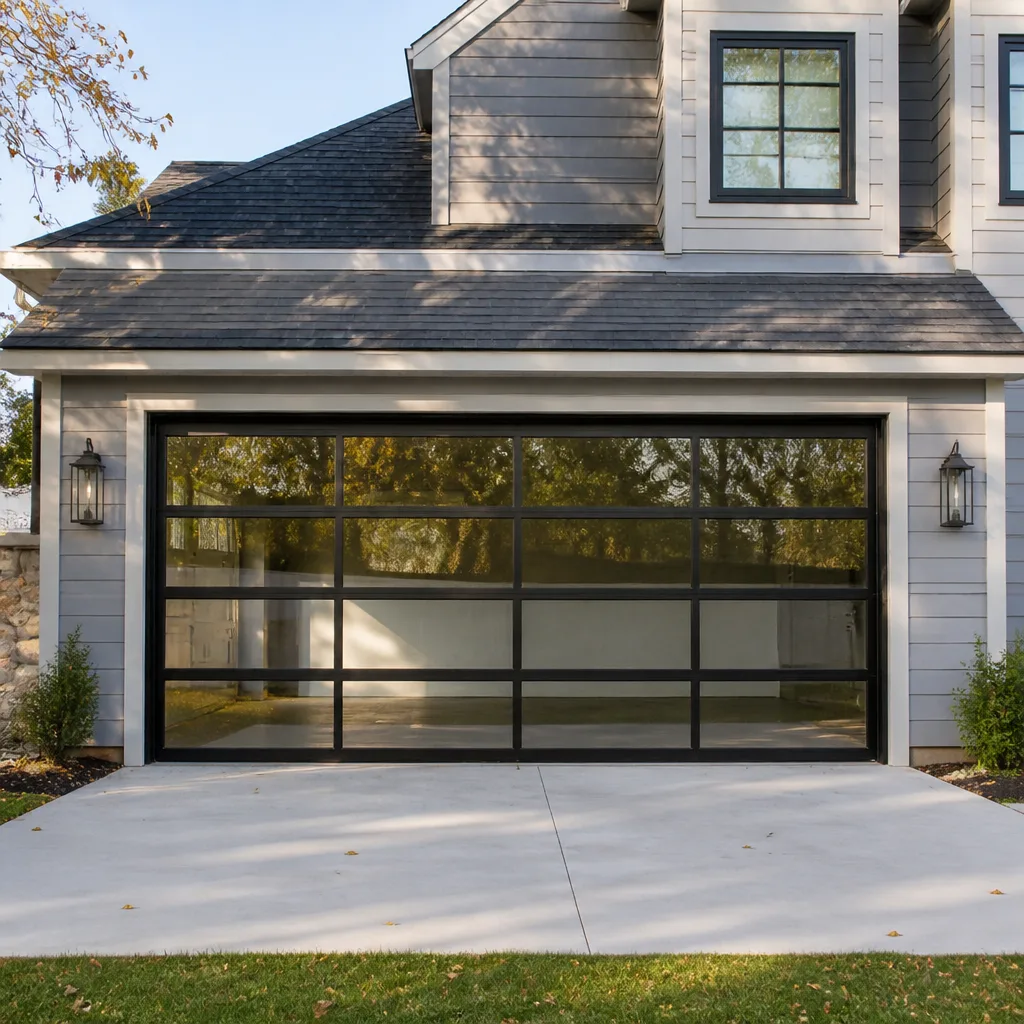 Full-view glass
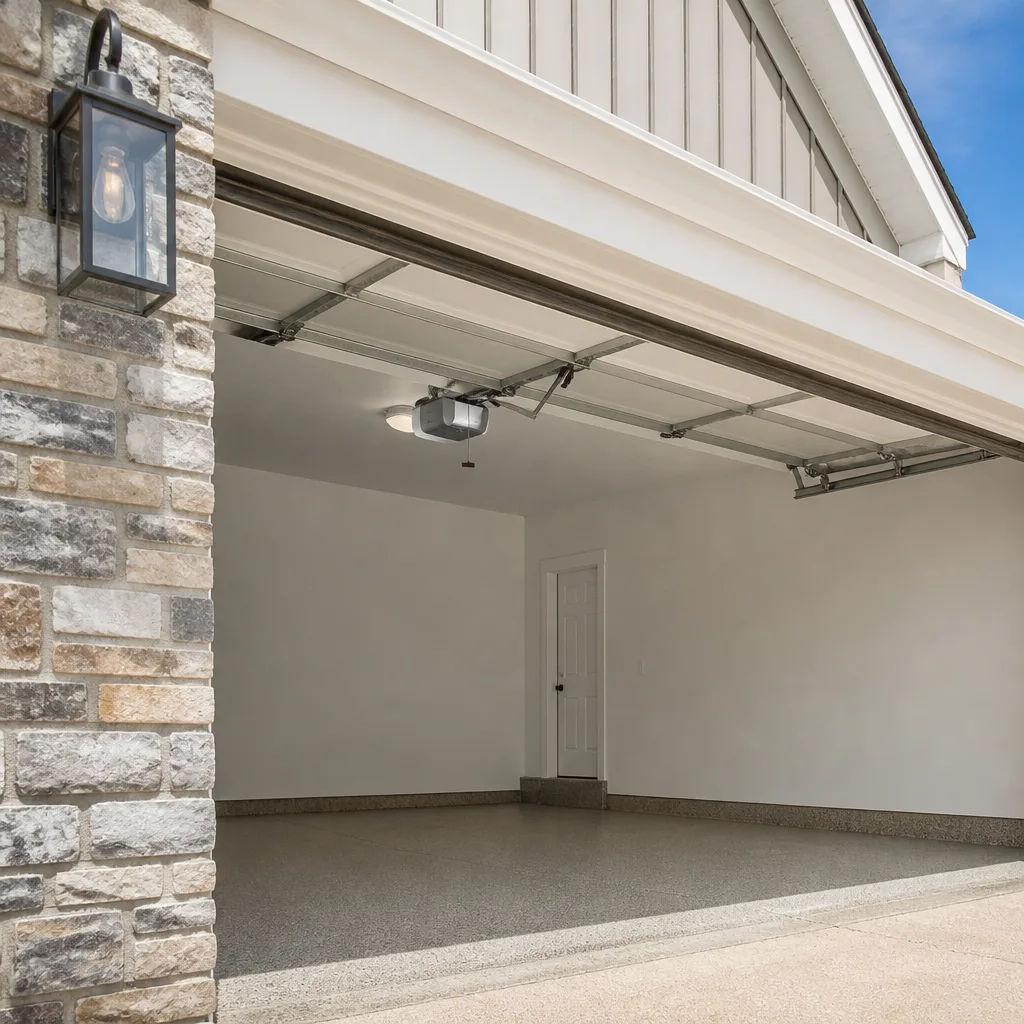 LiftMaster openers
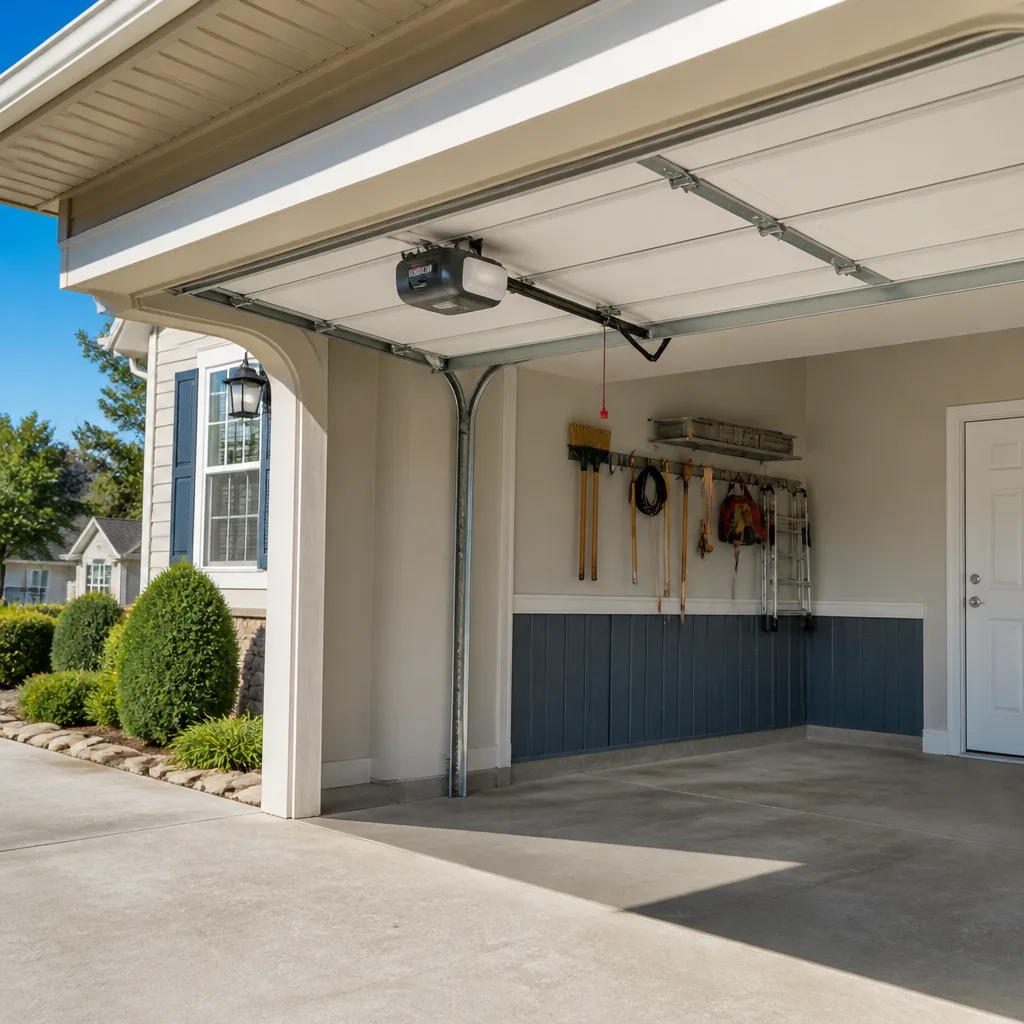 Chamberlain openers
Full 25-point door and opener safety check with every visit - springs, cables, rollers, tracks, and your LiftMaster or Chamberlain opener included
You get a price before we start. It does not change when the pro arrives.
Get your free estimateThe Complete Guide to Garage Doors in West Ridge
Most West Ridge homes were built before modern garage door standards existed, which means the “standard” door size, spring type, and opener your neighbor in Naperville buys off the shelf probably won’t fit your setup. That single fact reshapes almost every garage door decision in this neighborhood. An alley-facing garage on a 1920s lot isn’t the same animal as a suburban attached garage, and treating it like one is how homeowners end up with a door that binds, a spring that wears early, or an opener that strains against a door it was never rated for. In this guide we walk through what actually fits older West Ridge garages, how the alley layout affects the whole system, what Chicago and Cook County require when you replace a door, and how to tell a real fix from a patch on a system that’s simply aged out.
Styles & brands we work with
- Raised-panel steel
- Carriage house
- Modern flush
- Full-view glass
- LiftMaster openers
- Chamberlain openers
Quick Answer
Garage doors in West Ridge need to be sized to the actual opening in older detached and alley-facing garages, matched to the right spring and opener for that specific door weight, and installed to Chicago and Cook County requirements. Most repairs on a door of this vintage come down to springs, rollers, and opener wear, while a door that’s badly out of square or rusted through its panels is usually a replacement question rather than a repair one. Getting an accurate measurement first is what separates a door that lasts from one that fights you for years.
Table of Contents
- How Alley-Access Garages Change the Whole System
- What Door Sizes Actually Fit Older West Ridge Garages
- How Chicago-Area Winters Wear on Doors and Springs
- Brand Coverage Across the West Ridge and Rogers Park Corridor
- Chicago and Cook County Rules for Door Replacements
- Repair or Replace? Reading the Age of Your System
- Why Spring Work Is a Professional Job
- What You Can Check Yourself Between Service Calls
- Common Mistakes to Avoid
- When to Call a Professional
- Frequently Asked Questions
- The Bottom Line
How Alley-Access Garages Change the Whole System
West Ridge is a neighborhood of alleys. Whether you’re off Western, near Devon, or tucked along one of the side streets toward Peterson Park, a large share of garages here open onto a service alley rather than a driveway. That layout affects more than where you park. It shapes the door orientation, the opener placement, and the spring configuration in ways that generic garage door content never addresses.
When a garage faces an alley, the door and opener usually have less overhead clearance than a front-facing garage. There’s often no ceiling space for a bulky opener and rail, which pushes the install toward a wall-mounted or jackshaft design or toward a low-clearance rail. Springs get mounted horizontally along the tracks instead of torsion-mounted above the door, because there simply isn’t the headroom for a standard torsion bar. None of that is unusual for us, but it trips up a generalist who only installs the default configuration.
Alley garages also tend to sit closer to the property line, which matters for how the door swings, how it’s serviced, and how you access the track for repairs. A technician who knows West Ridge alleys comes prepared for a tight work space instead of being surprised by it.
- Low headroom: ceilings are often tight, so torsion above the door may not fit and wall-mounted openers or low-clearance hardware get used instead.
- Limited swing space: the door and tracks run close to the alley line and adjacent structures.
- Detached construction: the garage stands apart from the house, so the door takes the full brunt of weather with no shared wall for warmth.
What Door Sizes Actually Fit Older West Ridge Garages
If you order a door before measuring your actual opening, you’ll likely order the wrong one. West Ridge homes skew old, and pre-war garages here often have door openings that don’t match the modern nominal sizes the box stores stock. A door labeled 9 feet wide isn’t necessarily the measurement you need; the finished opening is.
The door must be measured at the opening itself. That means width measured at the widest point of the opening, height measured from the floor to the head jamb, and side clearance between the opening and the nearest wall or structure.
- Measure the opening, not the old door. Old doors and frames settle and shift, so the opening is the real number.
- Check side clearance. Older garages sometimes have very little room at the jamb, which limits hardware and track choices.
- Measure headroom. The space from the top of the door to the ceiling determines whether torsion springs can sit above the door or need to mount along the sides.
- Check backroom. That’s the distance from the door to the back wall, and it dictates whether the door can use a standard track or needs a low-clearance setup.
- Note the condition of the frame. A sagging or rotted frame on an aged detached garage means the door and the frame may both need attention.
Modern detached garages and newer builds elsewhere in the city tend to follow the familiar sizes, but that’s not a safe assumption here. On older West Ridge lots, a custom or non-standard size is more common than you’d expect, which is exactly why we measure before we quote for garage door installation.
How Chicago-Area Winters Wear on Doors and Springs
Chicago winters treat garage doors harder than any other season. The freeze-thaw cycle is relentless. Moisture works into seams and joints, freezes, expands, and then opens up gaps. Steel panels rust along the bottom where road slush and snowmelt pool, and wooden doors on older West Ridge garages swell, warp, and split at the edges. A door that operates fine in September can start binding in January, and the culprit is often a drop in temperature that shrinks the tracks or stiffens the rollers, not a sudden mechanical failure.
Springs take the same beating. Cold lowers the resilience of the steel, and the daily cycle of operating a door in freezing temperatures adds up. Springs are rated for a finite number of open-close cycles; winters simply accelerate the wear because the metal is working harder in the cold. In older garages, which tend to have more worn hardware to begin with, that adds up fast.
- Rust at the bottom panels: snowmelt and salt from the alley collect along the threshold and work under the weather seal.
- Binding tracks: cold makes metal contract slightly, and a track that was already slightly misaligned can pinch.
- Stiff rollers: nylon and steel rollers can seize or drag in low temperatures, straining the opener.
- Shrinking weather seals: rubber and vinyl seals stiffen and pull away from the door, letting in drafts and moisture.
- Frozen ground: a door that sits low can freeze to the floor if water collects at the threshold and refreezes.
Checking the door’s balance and giving the tracks a quick look before the first hard freeze is one of the simplest habits that pays off in West Ridge. If a door has started dragging or making noise as the weather turns, it’s worth having it looked at before it turns into a garage door repair that catches you mid-winter.
Brand Coverage Across the West Ridge and Rogers Park Corridor
Most West Ridge homeowners already own a name-brand door or opener. They don’t want to guess which contractor calls back and whether that contractor actually knows their equipment. That’s the practical advantage of working across the major brands rather than specializing in just one: we work on the brand you already own.
We’re equipped to service eight leading manufacturers, including Clopay and Amarr doors, Wayne Dalton systems, and Craftsman openers, along with LiftMaster, Chamberlain, Genie, and Raynor. That covers the overwhelming majority of doors and openers on West Ridge homes, whether the equipment was installed decades ago or recently replaced. It means you don’t have to hunt for a brand-specific repair shop for the door and a separate one for the opener. One call handles the opener side and the door side.
Parts availability matters as much as brand knowledge. When a repair depends on a genuine part that has to be ordered from a third-party supplier, the job drags out for days. Keeping genuine parts on hand rather than substituting off-brand components is the difference between a repair that’s done in a single visit and one that turns into a weeks-long wait. If your opener is giving you trouble, genuine parts make all the difference in a proper garage door opener repair that lasts.
The brand range matters for the whole corridor, from Devon up through Rogers Park toward Peterson Park, where the housing mix runs older detached garages to newer construction. Whatever system is on your garage, the odds are strong it’s one we know and can service without a special order.
Chicago and Cook County Rules for Door Replacements
Replacing a garage door isn’t just a product swap; in Chicago it’s also a permitting question, and the rules sit at the city level while broader oversight flows through Cook County. The safest approach is to confirm requirements with the city’s building department before the door gets ordered, because the permit or inspection picture can vary depending on the scope of the work.
Replacement is the point where code matters most. A door that’s being swapped out may need a permit, and the installation needs to meet current requirements for how the door is secured, how it’s anchored, and how the opener’s safety features function. In our experience, the items homeowners miss most are the safety reverse and photo-eye functions on the opener; those aren’t optional, and any new or replaced opener has to have them working.
- Confirm whether a permit is needed with the city’s building department before ordering a new door. Requirements can depend on whether you’re replacing in kind or changing the size or type.
- Keep the safety reverse working. The opener must reverse when it meets an obstruction; that’s a required safety function, not a convenience.
- Maintain the photo-eye sensors. The paired sensors at the base of the door must be in place and functioning.
- Respect the property line. On alley-facing lots, the door’s swing and the installation need to stay within the garage footprint.
None of this is meant to scare anyone off a replacement. It’s meant to make sure the job is done in a way that holds up if it’s ever inspected or you sell the home. Ask your city’s building department directly for the specifics that apply to your address; that’s the reliable source, and a good contractor will help you line the installation up with what’s required.
Repair or Replace? Reading the Age of Your System
The right call depends less on how old the door is and more on what’s actually worn out. A garage door is a system: panels, springs, tracks, hinges, rollers, and the opener all age at different rates. Some components can be replaced individually and the door keeps running smoothly for years. Others signal that the whole system is past the point of a smart patch. On older West Ridge garages, that distinction matters because so many doors are already well into their service life.
Here’s the decision framework we use:
- Is the door structurally sound? Rusted-through panels, cracked or rotted wood, and a warped or twisted door are structural problems. Springs or rollers won’t fix those.
- Are the tracks straight and plumb? Bent or misaligned tracks can sometimes be corrected, but heavily damaged ones often point to a door that’s been out of square for a long time.
- Is the opener straining? If the door is dragging and the opener is working overtime, the door is the problem, not the opener. Replacing the opener without fixing the door just wears out the new one.
- How many wear parts are failing at once? One spring is a repair. Springs, rollers, cables, and hinges all failing together on a door that’s already showing rust is usually a replacement conversation.
- Does the door still seal and insulate? On a detached alley garage, a poor seal is a real problem in a Chicago winter. A door that’s lost its seal and its panels may be better replaced than patched.
Repair is worth it, and worth doing well, when the door’s core is sound and a specific part has failed. Replacement is the smarter money when the failures start stacking on top of an aging frame. Either way, the goal is to avoid band-aiding an aging system with part after part and never getting ahead of it. If you’re not sure which side of that line your door falls on, a professional assessment of the door as a system clarifies it quickly.
Why Spring Work Is a Professional Job
Spring repair is one of the most dangerous jobs in the trade, and it’s a named service for us precisely because it deserves specialist attention. The springs hold the full weight of the door. A torsion spring under tension is storing serious energy, and if it’s mishandled, a release can cause severe injury. Generalist handymen often avoid spring work for exactly this reason, and homeowners should too. This is not a job to attempt from a video.
Here’s the safety caveat we give every customer: never try to adjust, remove, or replace a spring yourself, and don’t let anyone who isn’t trained for it take one on. If a spring has snapped, don’t force the door open; call for help. The winding bars, the safety procedures, and the knowledge of matching a spring to the door’s weight are all reasons to bring in a trained professional.
- Torsion springs mount along a bar above the door and run the door through cables and drums.
- Extension springs run along the sides of the door and use a different, also dangerous, tension setup.
- Springs are matched to door weight, so a same-looking replacement of the wrong spec strains the opener and the door.
- Matched pairs are usually replaced together, so the two springs wear at the same rate.
- When one spring breaks, the door is unsafe to operate until it’s repaired.
Spring repair done right means matching the spring to the door’s actual weight and cycle rating, checking the cables and drums while the spring is being replaced, and confirming the door is in balance when it’s back together. That’s the difference between a spring that lasts and one that fails again within a year. If a spring has failed, treat it as an urgent call.
What You Can Check Yourself Between Service Calls
You don’t need to do repairs to keep a garage door healthy, but a few checks between professional visits go a long way, especially on an older West Ridge garage facing Chicago weather. These are all observation-based; nothing here involves putting yourself in danger.
- Listen. A well-running door is quiet and steady. Grinding, squealing, or a door that jerks its way up is telling you something’s wearing.
- Check the balance. With the door closed, pull the manual release and lift the door partway. It should hold roughly where you leave it. If it drops or fights you, the springs or balance need a professional look.
- Look at the rollers and hinges. Worn rollers, cracked hinges, and rusted hardware are easy to spot.
- Inspect the weather seal along the bottom. A stiff or torn seal lets in drafts, moisture, and pests.
- Test the opener’s safety reverse. With the door closing, a light obstruction should cause it to reverse immediately.
- Look for rust along the bottom panels and seams, where the winter slush collects.
None of these involve reaching into the spring or cable area. If a check turns up something, that’s the point to book a professional. Observing is safe; adjusting a spring or cable is not.
Common Mistakes to Avoid
- Ordering a door before measuring the opening. Old West Ridge garages rarely match the nominal size you’d expect, so measuring the actual opening first prevents ordering a door that won’t fit.
- Replacing a spring with the wrong spec. A spring that doesn’t match the door’s weight strains the opener and fails early; it needs to be matched to the door.
- Assuming a suburban garage setup transfers here. Alley-facing garages have less headroom and tighter clearance, so standard hardware and opener placement often don’t work.
- Patching an aged system one part at a time. When springs, rollers, and panels all start failing on a door that’s already past its best, a series of small repairs can cost more than a replacement.
- Skipping the city building department question. A replacement may need a permit; confirming with the city’s building department before ordering avoids headaches.
- Ignoring the opener’s safety reverse. It’s a required safety function, and it’s worth testing regularly.
- Letting winter arrive without a check. The freeze-thaw cycle finds every weakness in a door; a quick check before the first freeze catches problems while they’re still small.
When to Call a Professional
Some things are worth a call the moment you notice them. A snapped spring, a door that’s come off its track, a door that won’t open or close at all, or an opener that’s stopped responding are all signs to stop using the door and get a trained set of eyes on it. Grinding or groaning that wasn’t there last month, visible rust or warping on the panels, and a door that’s getting harder to lift are worth booking a look before they get worse. We handle all five core jobs here in West Ridge: repair, opener repair, installation, parts, and spring work.
Garage Door Repair West Ridge offers free estimates in West Ridge, so the cost of finding out what’s wrong is nothing. Call (833) 736-5797. We answer 24/7. Fast dispatch from 7am to 7pm, Sunday through Friday.
Frequently Asked Questions
Repair is the right call when the door’s core structure is sound and a specific part has failed, but replacement makes more sense when panels are rusted through, the door is warped, or multiple wear parts are failing on an already-aging system. A professional assessment of the door as a complete system, rather than one part at a time, clarifies which side you’re on.
There’s no single size; the door has to be measured at the opening. West Ridge’s older detached and alley-facing garages often have non-standard openings that don’t match modern nominal sizes, which is why measuring the actual opening is the only reliable answer.
Often yes, since spring repair is a dedicated service for us. A call for a failed spring gets priority; call (833) 736-5797 and we’ll book it.
That depends on the scope of the work, so confirm the specifics with the city’s building department before ordering a new door. Replacement installation still needs to meet current requirements, including working safety reverse and photo-eye functions on the opener.
We service eight leading manufacturers: LiftMaster, Chamberlain, Genie, Clopay, Amarr, Wayne Dalton, Craftsman, and Raynor. That covers the vast majority of doors and openers on West Ridge homes, so one call handles both the door and the opener side.
Alley-facing garages here usually have less headroom and tighter clearance, so standard overhead openers and above-door torsion springs often don’t fit. The door usually calls for low-clearance hardware, a wall-mounted opener, or a side-mounted spring configuration.
The price is quoted and agreed before any work starts, so once the estimate is written, that’s the figure. The written estimate sets the final price.
The local professionals we connect you with are licensed and insured as their state requires. Our technicians have up to 15 years of experience.
The Bottom Line
West Ridge garage doors are their own category. Measured-by-the-opening sizes, alley-facing layouts with tight headroom, and Chicago winters that stress springs and seals mean you can’t borrow a neighbor’s answer from a suburb and expect it to fit. Get the opening measured, match the springs and opener to the door you actually have, confirm the permitting picture with the city’s building department before a replacement, and treat spring work as the professional job it is. Whether you’re working through a repair or thinking about a new door, the first step is an accurate look at what’s really on your garage. Garage Door Repair West Ridge works across every major brand, stocks genuine parts so repairs don’t stall on shipping, and handles the door and the opener as one system. Call (833) 736-5797 for a free estimate. We answer 24/7. Fast dispatch from 7am to 7pm, Sunday through Friday, and we’re closed on Saturday. For repairs, our same-day service gets you back on track fast, and for a replacement, we’ll get a free measure and a written price to you so you can plan the job properly. You can also start with our Garage Door Repair West Ridge page for the full picture of what we do.
Written by the team at Garage Door Repair West Ridge.
See the difference
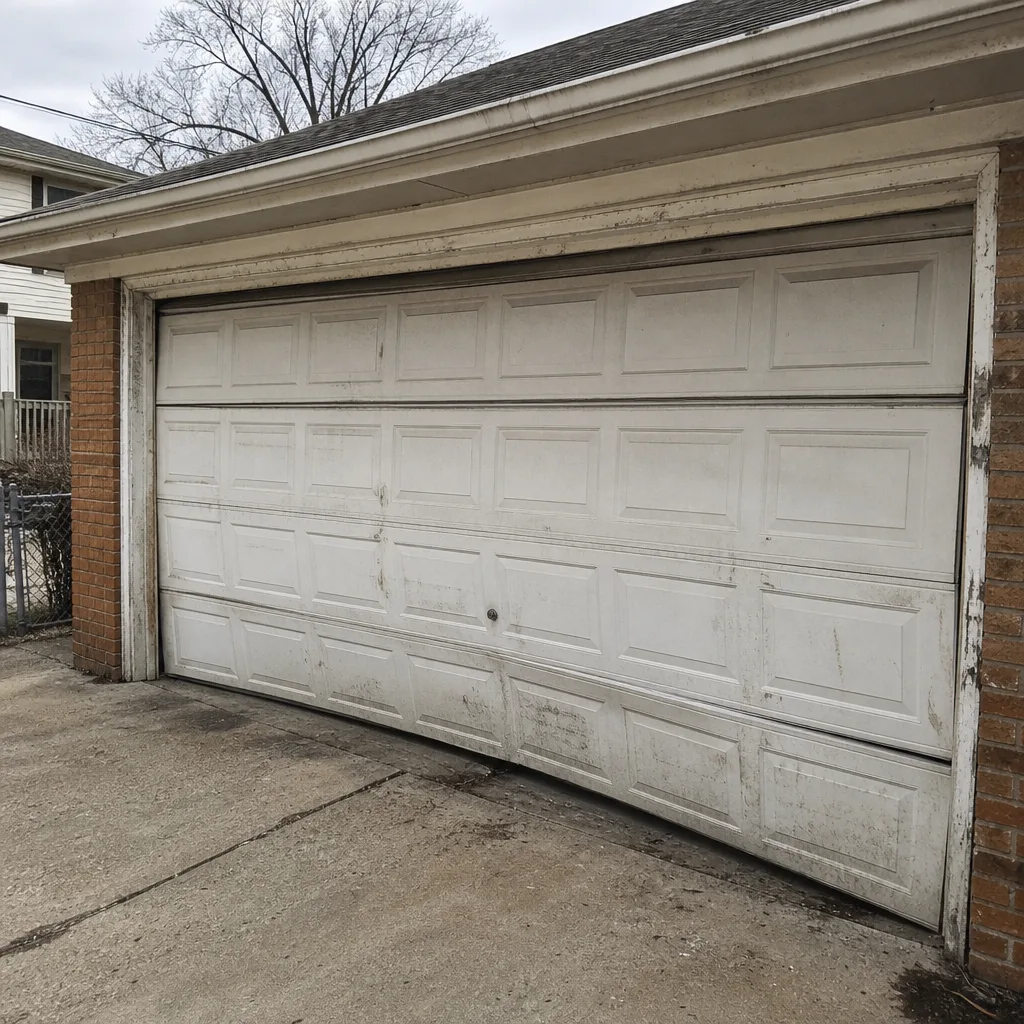 Before
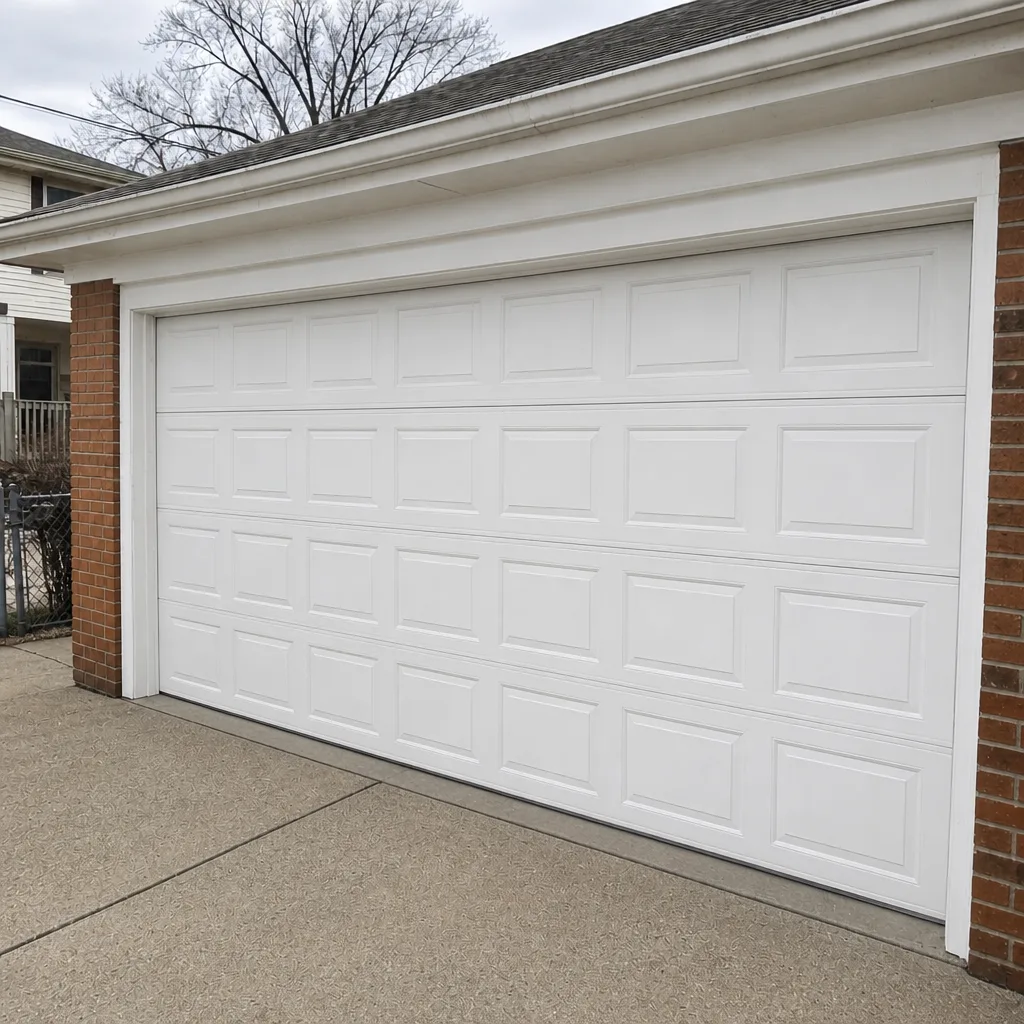 After
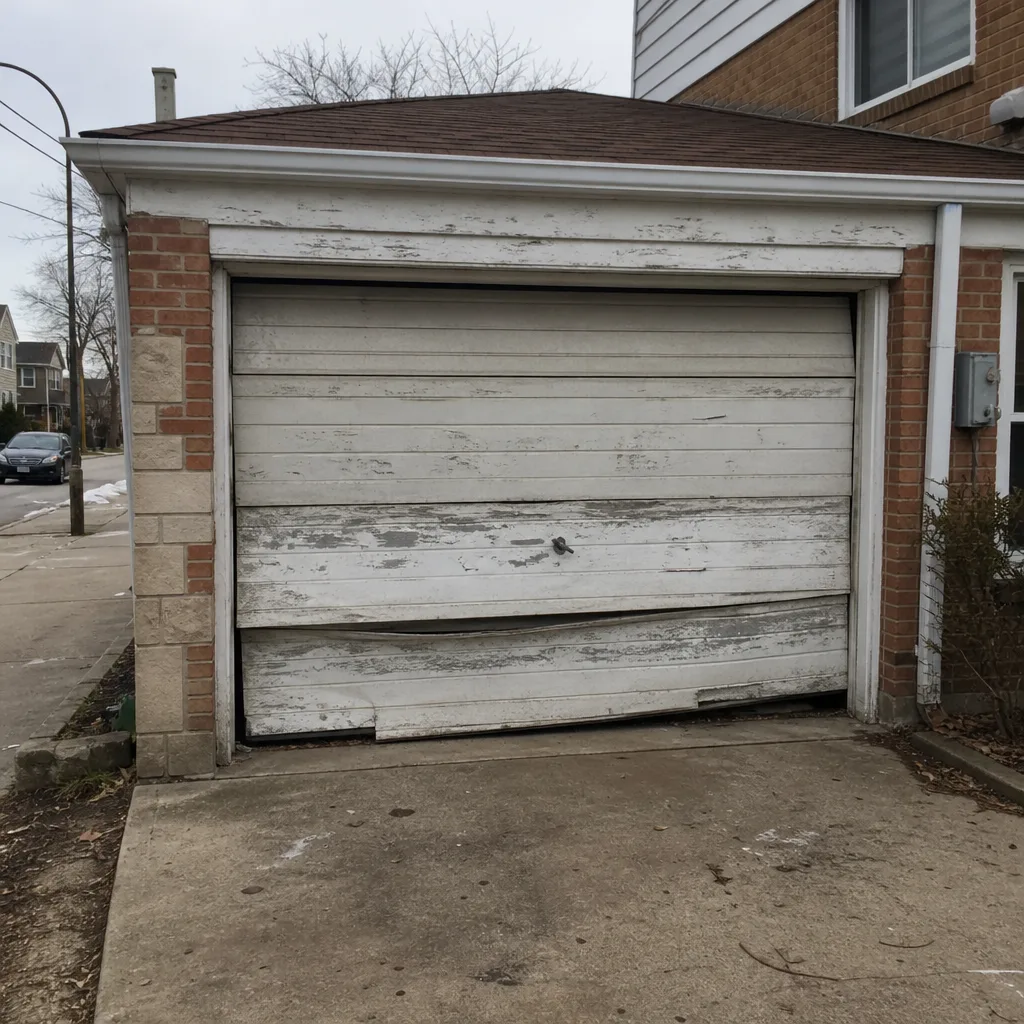 Before
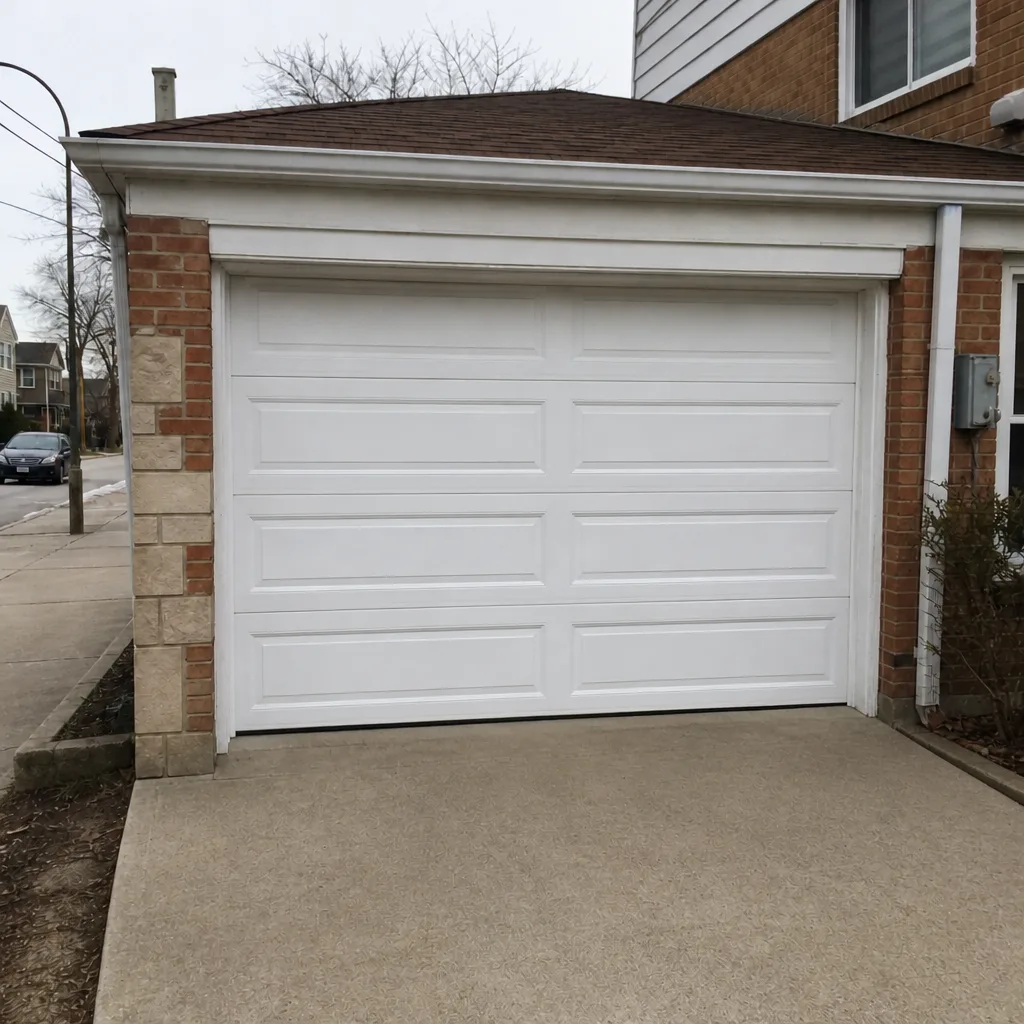 After
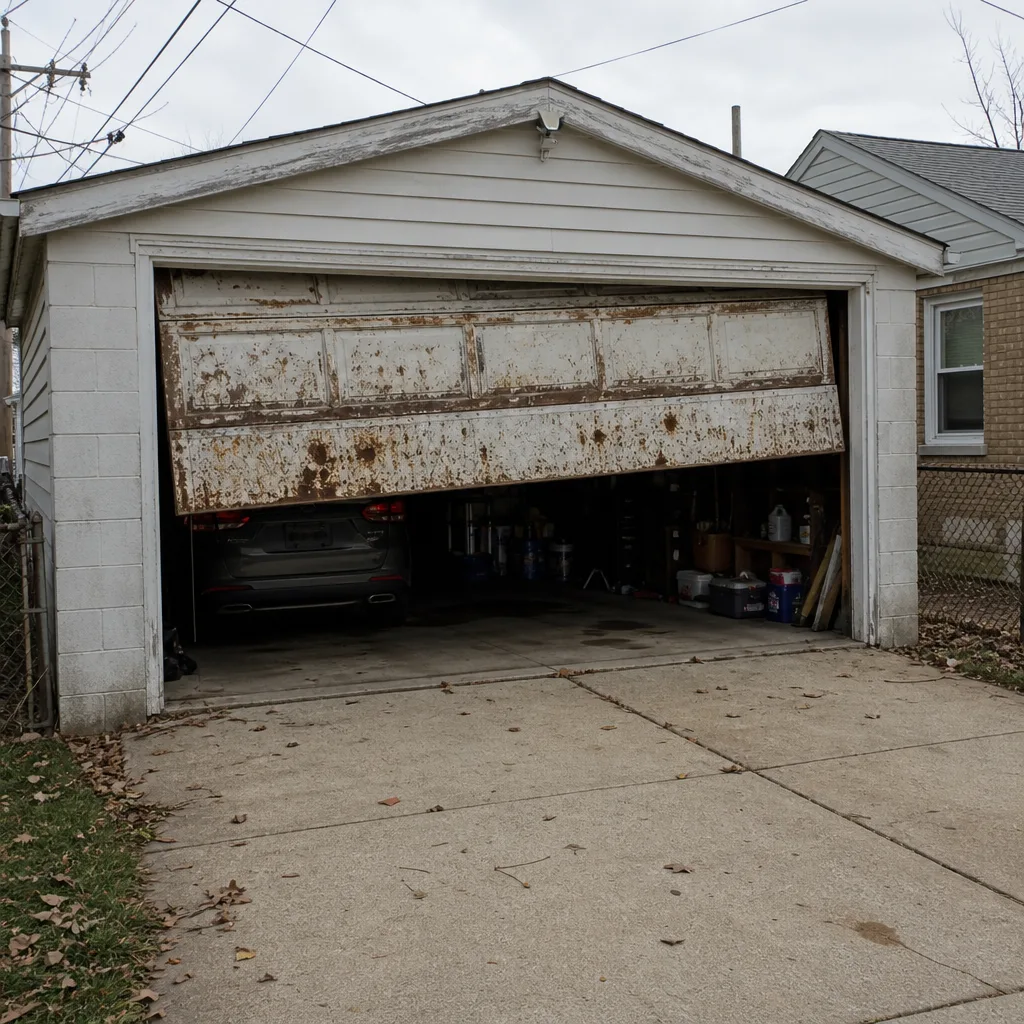 Before
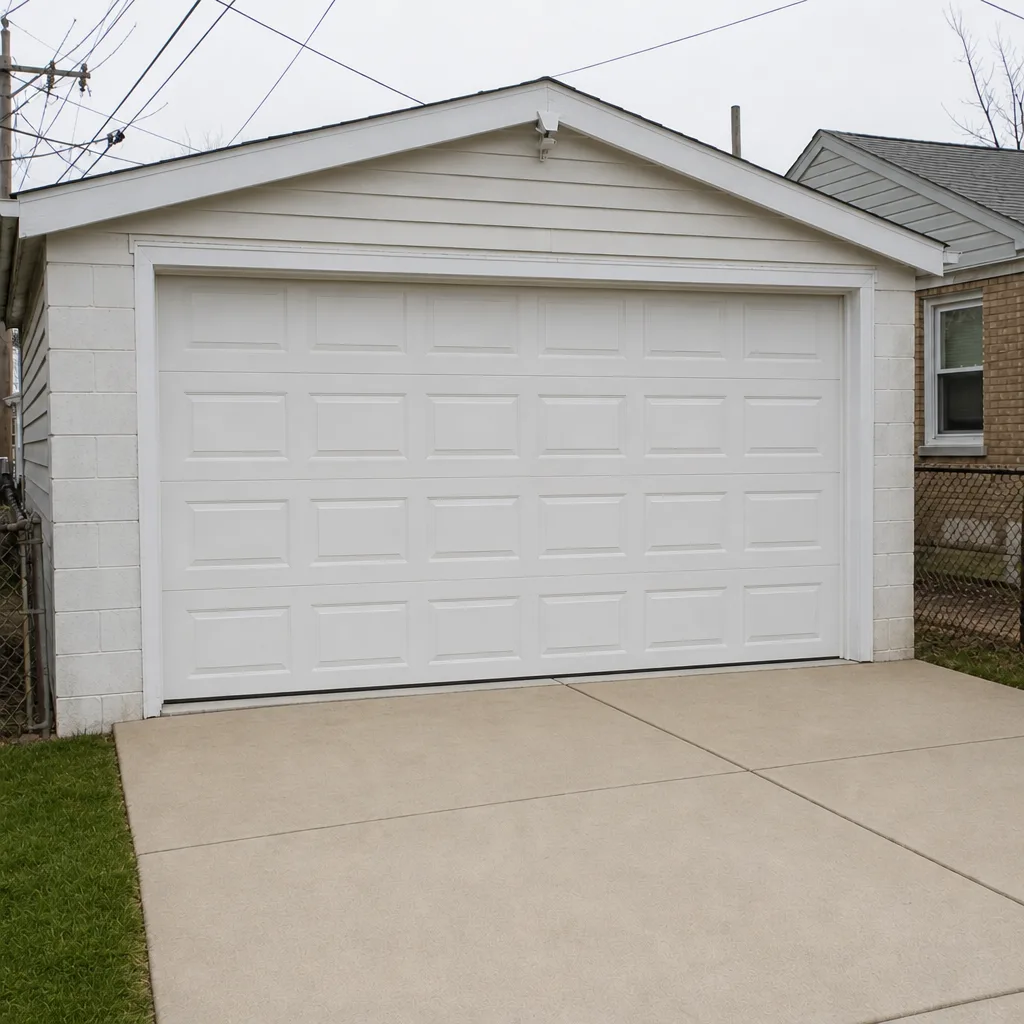 After